Get in Touch with Mackayhairscissors Company

Japanese Steel Barber Scissors
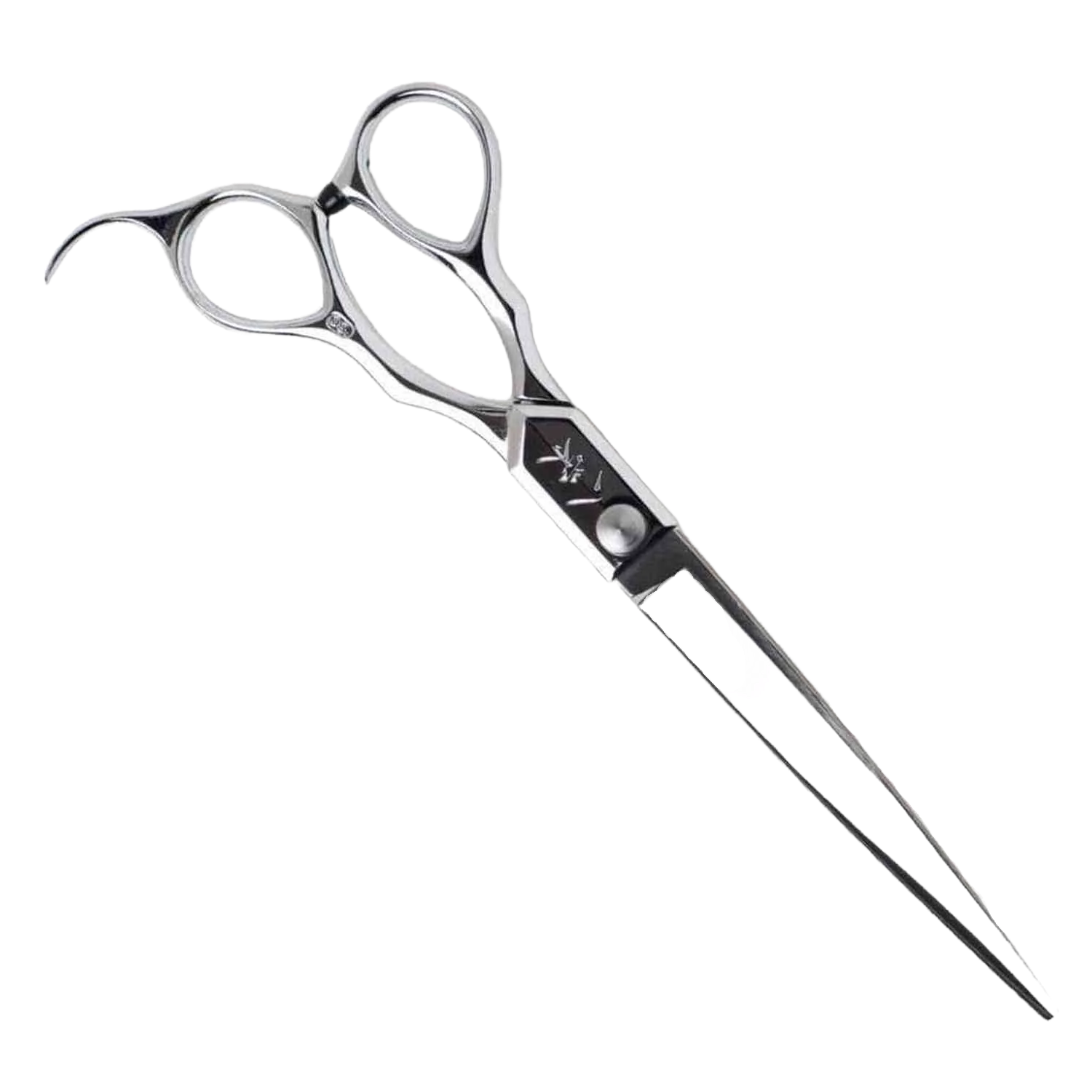
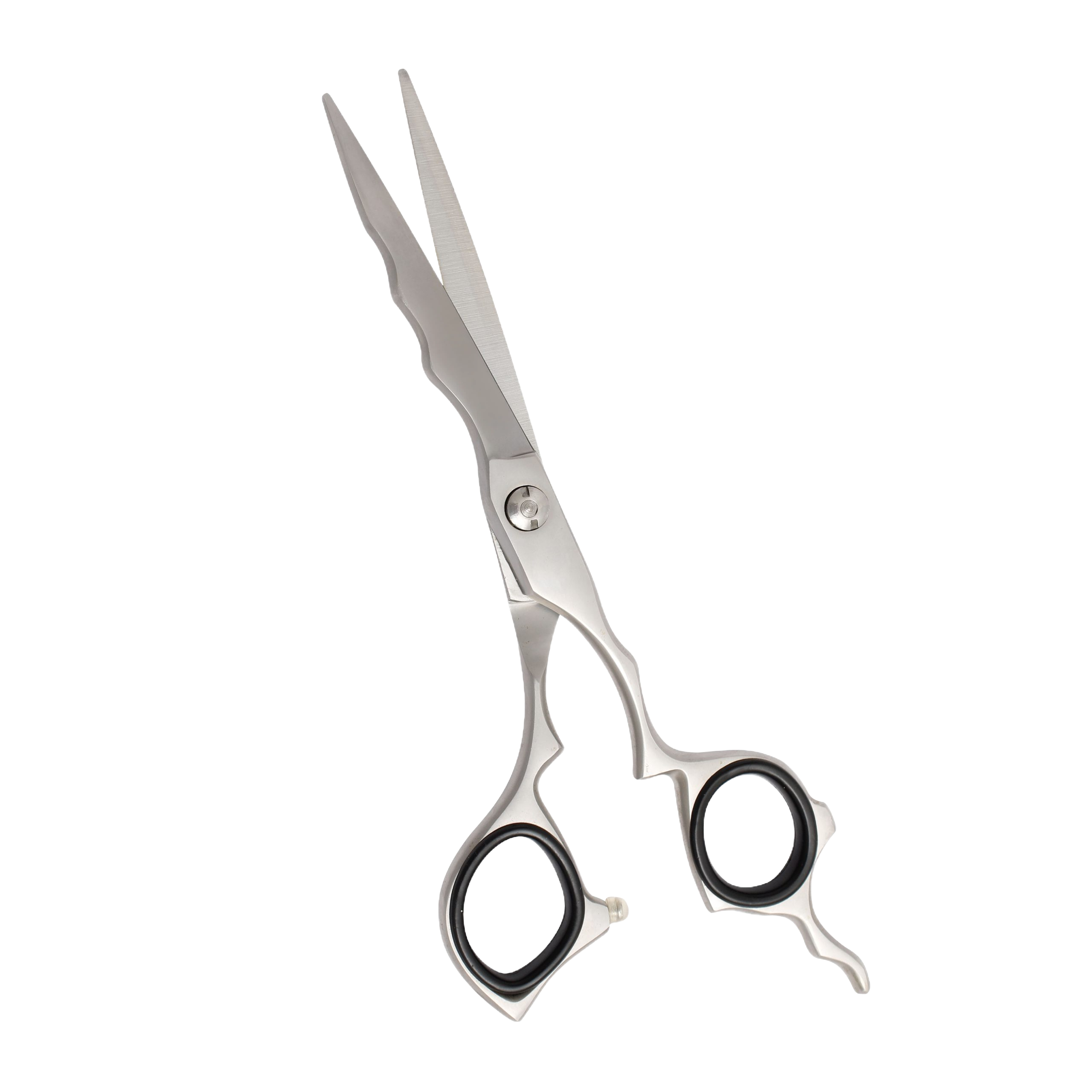
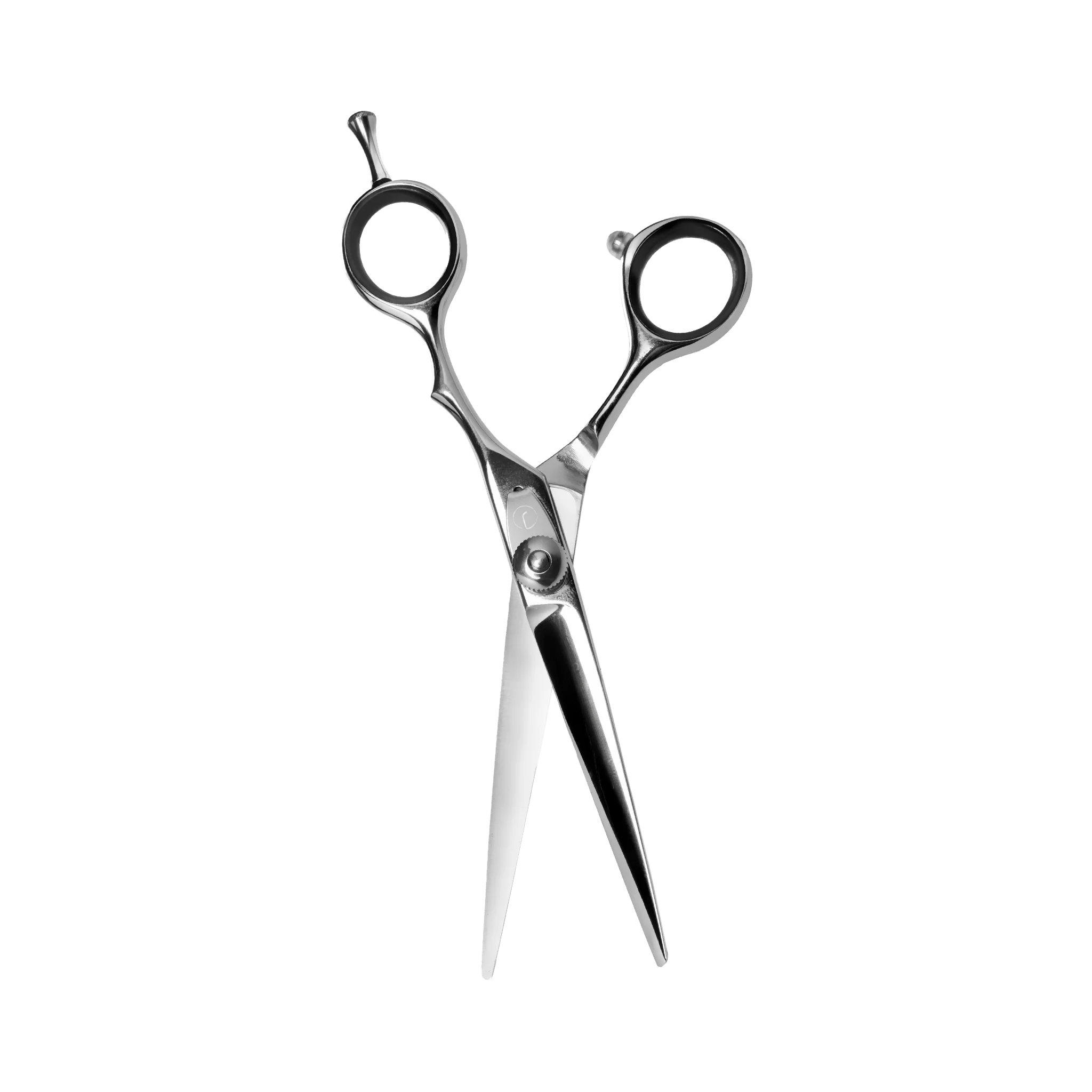
MATSUOPRO barber shears run on VG10, ATS314, 440C, and Multi-Layer Damascus Steel, hand-honed to a Japanese Convex Edge across 80+ production steps. Designed for brands and distributors who need a documented, repeatable spec – not a one-time batch.
Request Wholesale Quote
MOQ 50 PCS
Custom orders
3-DAY SAMPLE
Turnaround
ISO 9001 · BSCI · SGS
Audited factory
40+ COUNTRIES
Export record
4Steel Grades — VG10 / ATS314 / 440C / Damascus
56–63HRC Hardness Range
6.0″–7.0″Barber Blade Sizing
80+Production Steps, Hand-Honed
50 pcsMinimum Order Quantity
2014Manufacturing Since
Why Standard Barber Shears Lose Their Edge, And What Japanese Steel Fixes
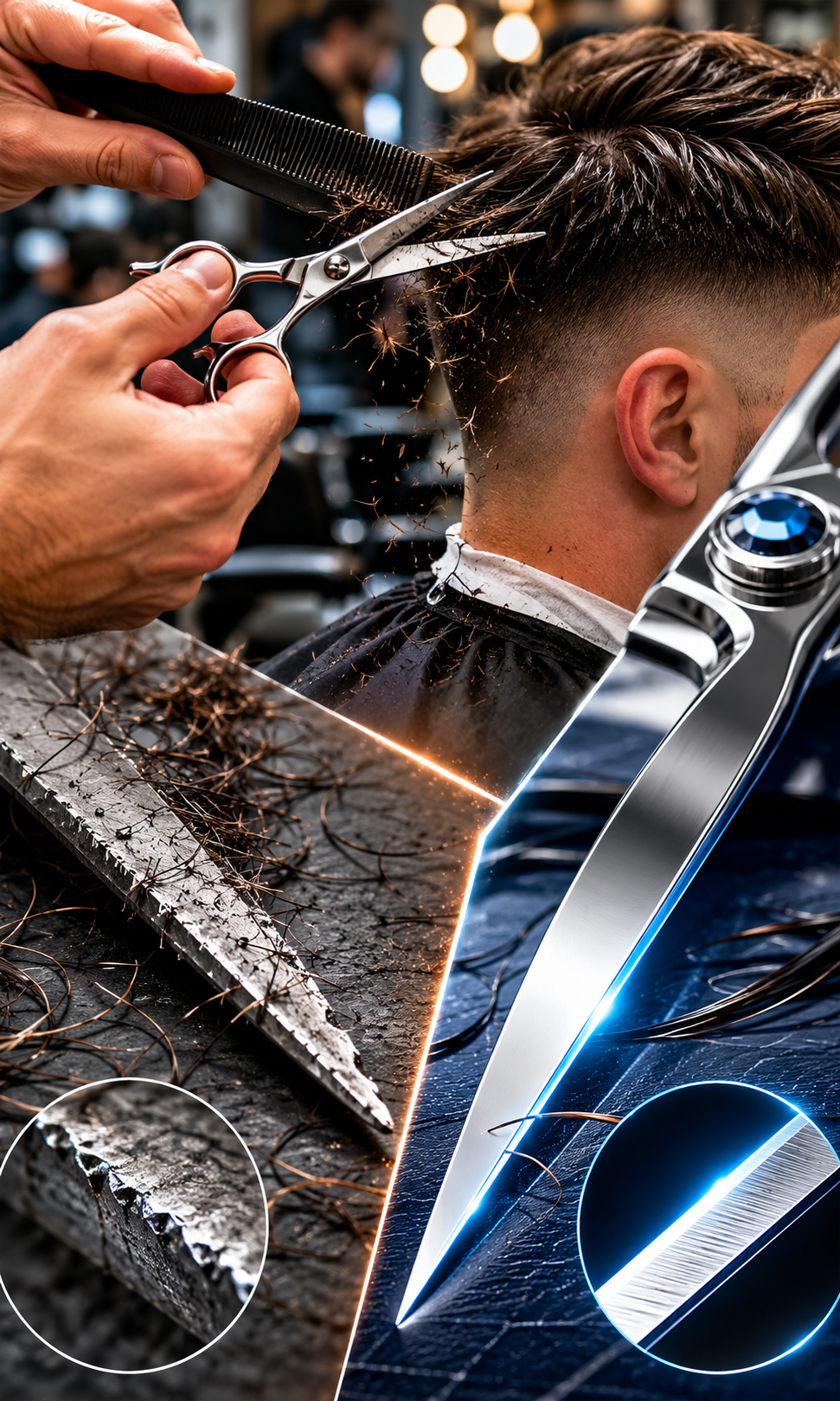
A barber working a full chair goes through 40 to 60 fades a week. Each of those cut rubs the blade edge against hair at approximately the same angle, and on a low-carbon 9Cr18-class steel that edge begins dulling out within a season. Soft steel wears out no matter how skillfully they’re sharpened.
01 / The Structural Issue
The shear that felt razor-sharp at delivery begins dragging hair instead of cutting, causing a barber to apply more pressure. This is exactly the motion that causes hand fatigue and uneven fade lines.
02 / Edge Geometry
Fading and tapering require long, sweeping strokes. MATSUOPRO specifically uses 6.0-7.0″ designs hand-finished to a Japanese Convex Edge (hamaguri-ba) that slides rather than binds.
03 / Metallurgical Origin
Japanese steel addresses dulling by starting from a harder, stable alloy. Four grades are utilized: VG10, ATS314, 440C, and multi-layer Damascus, retaining sharpness after significantly more cycles.
04 / Verified Hardness
Built upon ISO 9001 hardness data, not just vaguely guessed claims. The precision tolerance ranges from 56 HRC to 63 HRC. For a distributor, this directly lowers repeat-order friction.
MATSUOPRO Japanese Steel Barber Shears, Grades & Sizing
One clarification that many buyers of these goods inquire about, and for good reason, deserves a upfront answer: Japanese steel manufactured in China or Vietnam isn’t a contradictory claim, nor is it some marketing cheat-it’s the norm in the industry. A Japanese steel group metallurgically produces the steel plates themselves, while subsequent steps like forging, CNC grinding, heat treatment, and hand-honing may legitimately be performed elsewhere, as long as the facility control these steps to exact specifications. For you, as a buyer, what’s important is whether your factory can clearly state their steel source and provide verifiable hardness data to back that up. For MATSUOPRO, the steel plate we use is the ATS314 produced by Japan’s Hitachi Group, and all of our lower-tier grades include an explicitly stated hardness range, not the frustrating vagueness of a “premium steel” label. One competitor’s own blog put the misconception bluntly: “‘Japanese steel’ doesn’t mean MADE IN JAPAN… that is not always the case” — which is exactly why this page states the steel source and the assembly location as two separate facts, not one blended marketing claim.
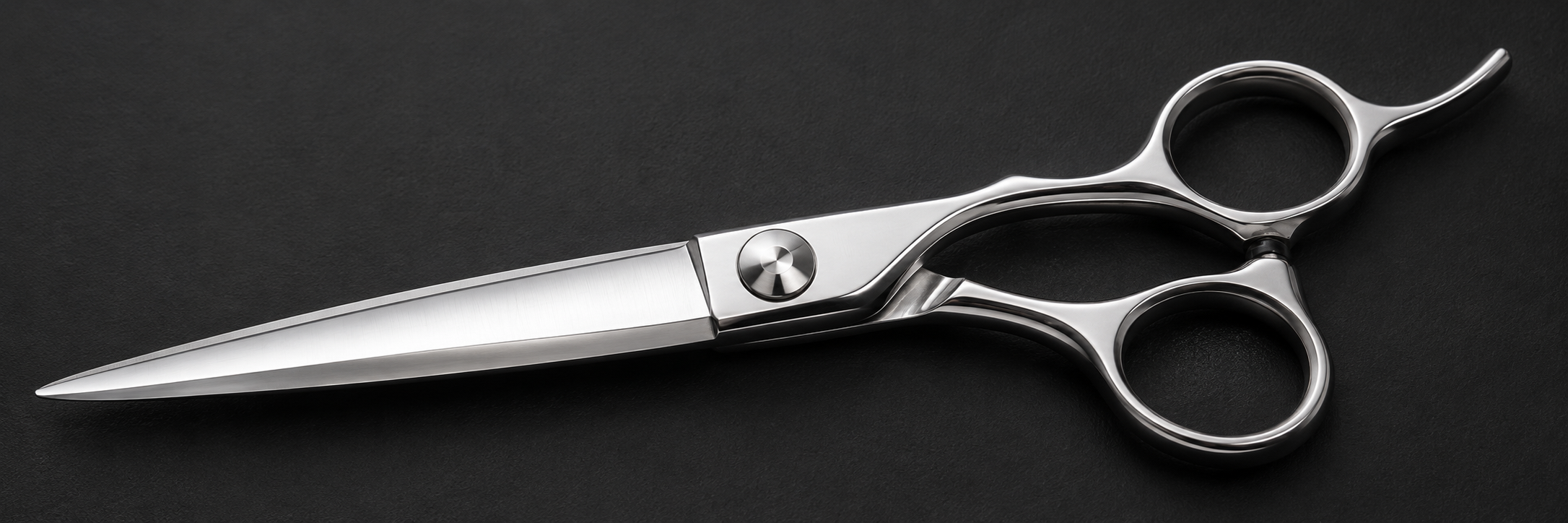
Entry / Value Line
440C Stainless Steel
C 0.95–1.2% · Cr 16–18%. China-sourced plate runs 56–58 HRC; Japan-sourced plate runs 57–59 HRC. Convex edge, hand-honed. Best fit for training kits and high-turnover retail packs.
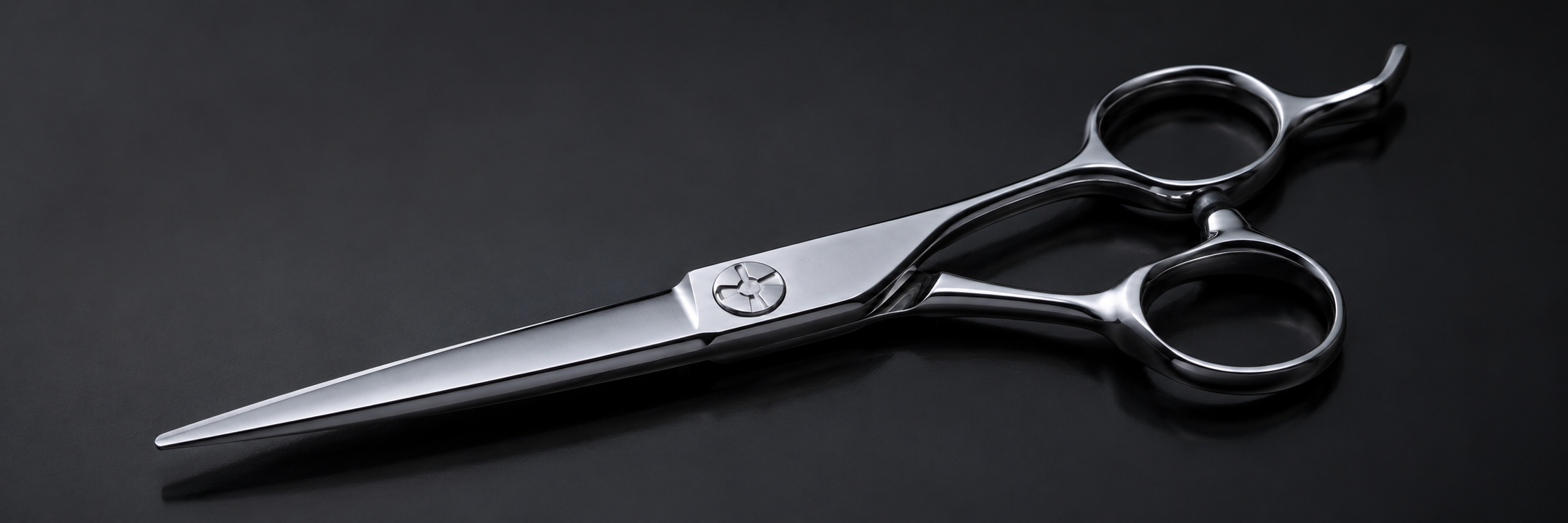
Upper-Mid Line
ATS314 Japanese Cobalt Steel
C 1.05% · Cr 14% · Mo 4%. Hitachi Group-sourced plate, 58–60 HRC. Holds an edge noticeably longer than 440C under daily fade/taper work.
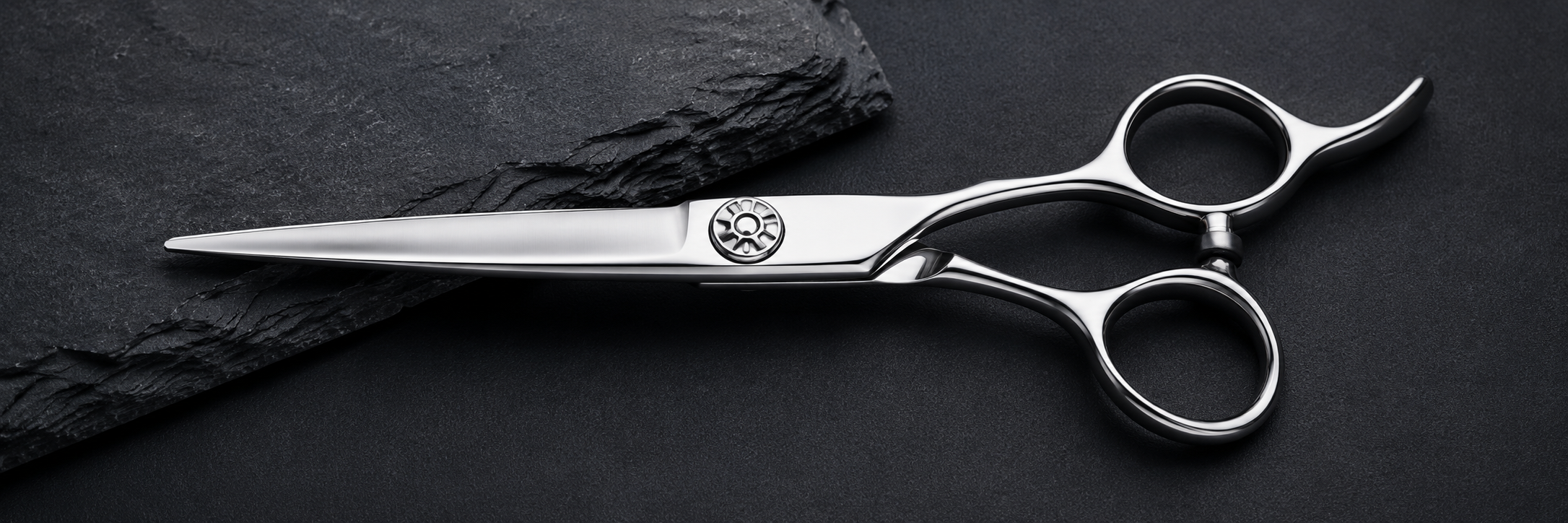
Premium Line
VG10 Japanese Premium Steel
C 1.0% · Cr 15% · Co 1.5% · V 0.2%. 60–62 HRC. This is the steel most professional barbers ask for by name, matching the grade used across most $300–$700 competitor lines.
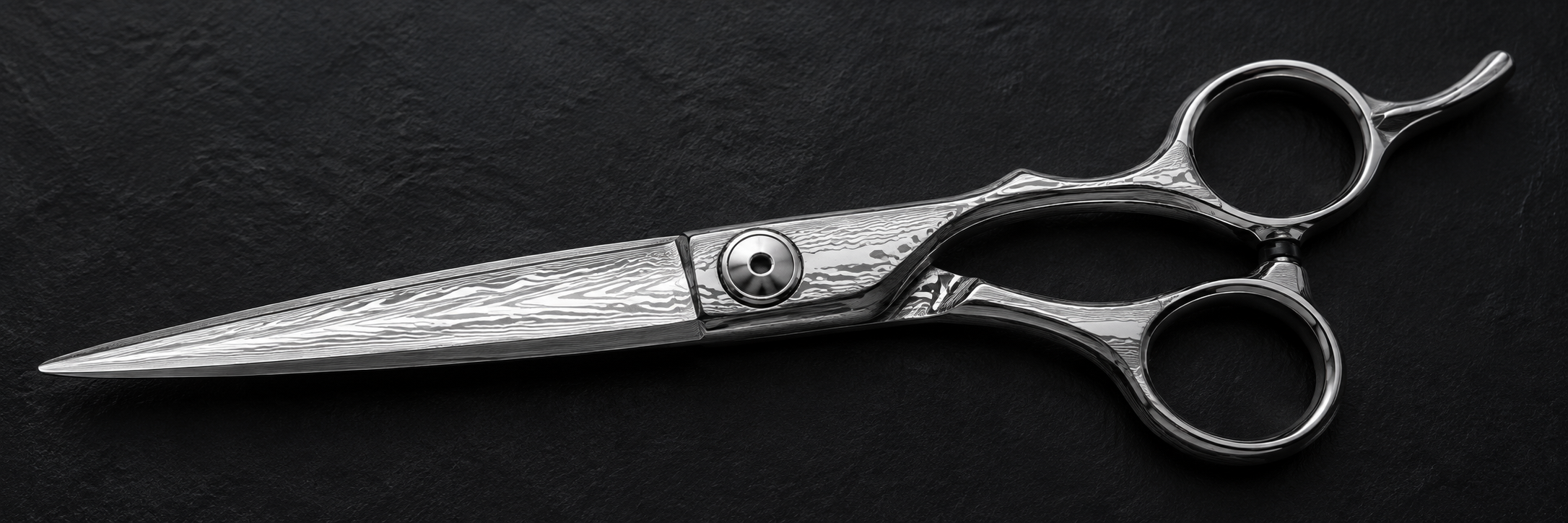
Flagship Line
Multi-Layer Damascus Steel
VG10 core folded 33–67 layers. 61–63 HRC. Highest edge retention in the range, sold at 7.0″ for barber/fade specialists.
| Steel Grade | HRC | Size Available | Edge Type | Handle | Best Fit |
|---|---|---|---|---|---|
| 440C | 56–59 | 6.0″ | Convex Edge | Offset, right-hand | Retail packs, training kits, price-sensitive private label |
| ATS314 | 58–60 | 6.0″–6.5″ | Convex Edge | Offset, right-hand | Mid-tier salon brands wanting a Hitachi-sourced steel story |
| VG10 | 60–62 | 6.0″–6.5″ | Convex Edge | Offset, right-hand | Core barber/fade line — matches named competitor spec at lower landed cost |
| Damascus | 61–63 | 7.0″ | Convex Edge | Offset, right-hand | Flagship SKU for brands positioning above $150 retail |
Spec Source: MATSUOPRO factory production sheet (SKU Series MP-SC-085 through MP-SC-112). Cross-checked with published independent, third-party hardness data for 440C Barber Steel (56-60 HRC) and VG10 Barber Steel (60-62 HRC).
Japanese Steel vs. Standard Stainless, Hardness & Edge Retention Compared
The real comparison that buyers care about isn’t about the hardness of steel vs. steel on paper – it’s what that hardness difference cost the buyer’s customer over the course of a year.
An independent 5-year cost-of-ownership study that followed 40 professional stylists found that scissors in the 440C/entry tier needed to be resharpened every 3 to 4 months, the mid-tier VG10/cobalt shears every 5 to 8 months, and the premium tier every 9 to 14 months (at a cost of $20-50 each).
3×
Longer average edge-retention window on premium-grade steel (9–14 months) vs. entry-grade steel (3–4 months), based on independent stylist cost-of-ownership tracking.
Source: independent 5-year, 40-stylist cost-of-ownership study — figures qualified as third-party industry data, not MATSUOPRO-specific measurement.| Metric | Standard 9Cr18 | 440C | VG10 / ATS314 | Damascus |
|---|---|---|---|---|
| Rockwell Hardness (HRC) | ~52–54 | 56–59 | 58–62 | 61–63 |
| Edge angle | Beveled, 30–40° | Convex, 15–20° | Convex, 15–20° | Convex, 15–20° |
| Typical resharpen interval | 2–3 months | 3–4 months | 5–8 months | 9–14 months |
| Blade construction | Single stamped | Single forged | Single forged | 33–67 folded over VG10 |
Field Feedback
“A harder steel holds an edge longer but is more brittle and harder to resharpen,” and “Sharpening costs $20-50/pair, needed every 3-6 months for budget steel vs 9-14 months for premium.”
Working stylists put it plainly on their own forums, not in a factory brochure. That’s the trade-off in plain language, before any sales pitch gets added on top of it.
[ Quality Control Impact ]
The trade-off buyers actually see in their support queue: Cheaper steel means a higher long-term cost and more complaints to you about warranty or quality, even though it seems cheaper initially.
It’s not just about the cost to resharpen. A shear that needs to be sharpened every three months requires three times as many interactions with your support department.
OEM Visibility
MATSUOPRO gives OEM buyers clear visibility into this cost difference. The ISO 9001-certified hardness data translates into a nearly three-fold difference in service life. Distributors who switch their catalog to VG10 or Damascus tend to see sharpening-related complaints drop within the first year.
Want to see if VG10 or ATS314 fits your target price point?
Certifications & QC
you can verify
ISO 9001
Quality management system
BSCI
Factory social compliance
SGS
Third-party inspection
01 / HARDNESS
Rockwell Testing
Ensures the blades’ hardness strictly aligns with certified HRC range.
02 / SHARPNESS
Cutting Test
Verifies baseline sharpness against professional synthetic test materials.
03 / TOLERANCE
Blade Alignment
Checks closure tolerance; blades must meet perfectly without wobble.
04 / PIVOT
Tension Drop
Verifies pivot calibration using a half-open natural drop methodology.
05 / FINISH
Visual & Dim
Final cosmetic, dimensional, and finish check prior to secure packaging.
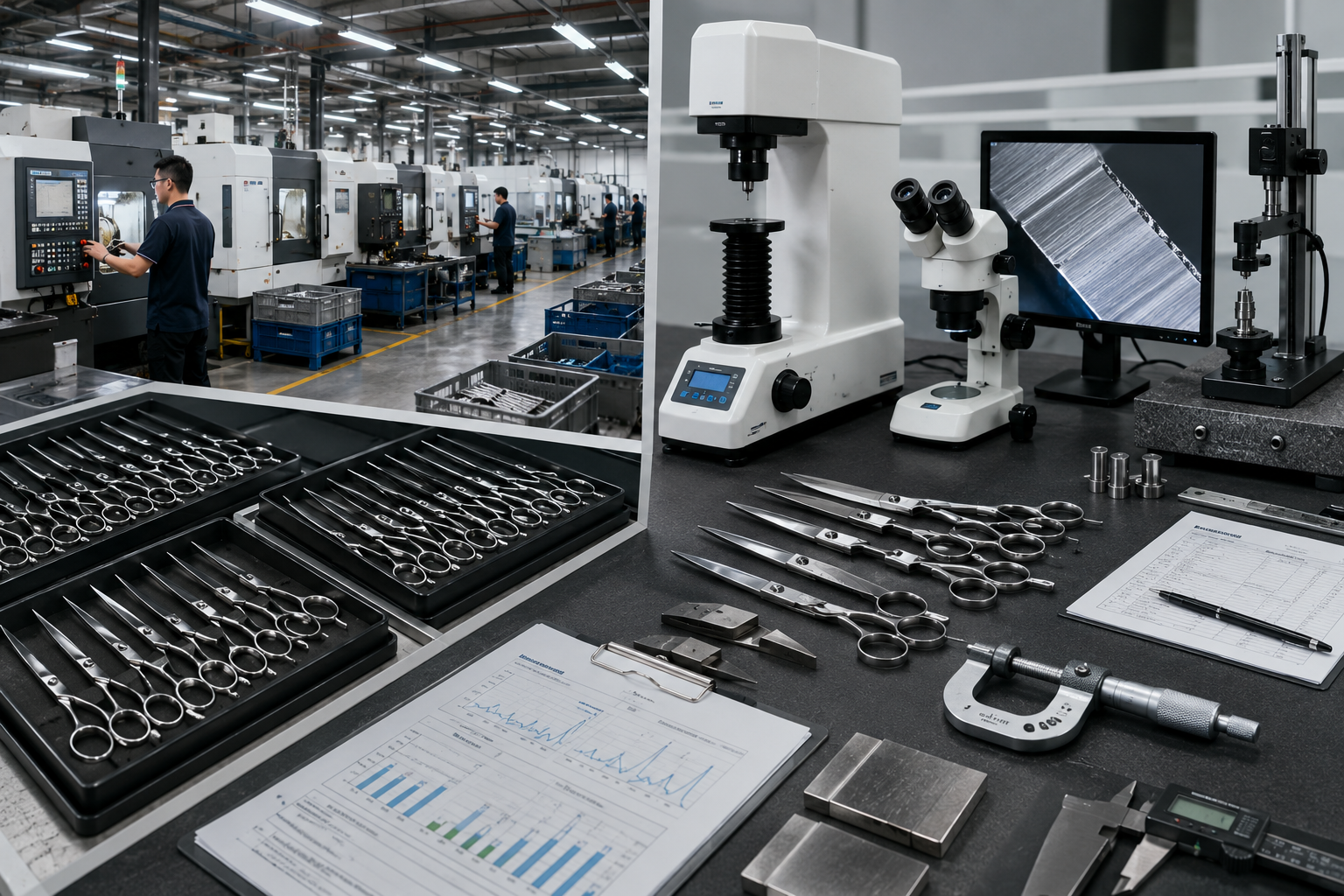
01 — Foundation Standards
Reliability is key. And “trust us” is not a certificate. The production facility adheres to BSCI and SGS standards and is managed by an ISO 9001 system. There’s also cooperation with a national tool inspection center, with hardness test results available on request, rather than posted as unverifiable marketing claims.
02 — Compliance Audits
The BSCI audit specifically focuses on facility labor and social compliance aspects—hours, safety, and working conditions—essential for buyers entering retail channels. The ISO 9001 system covers the manufacturing process itself: tracking nonconformities and replicating a spec from batch 1 to batch 1,000 reliably.
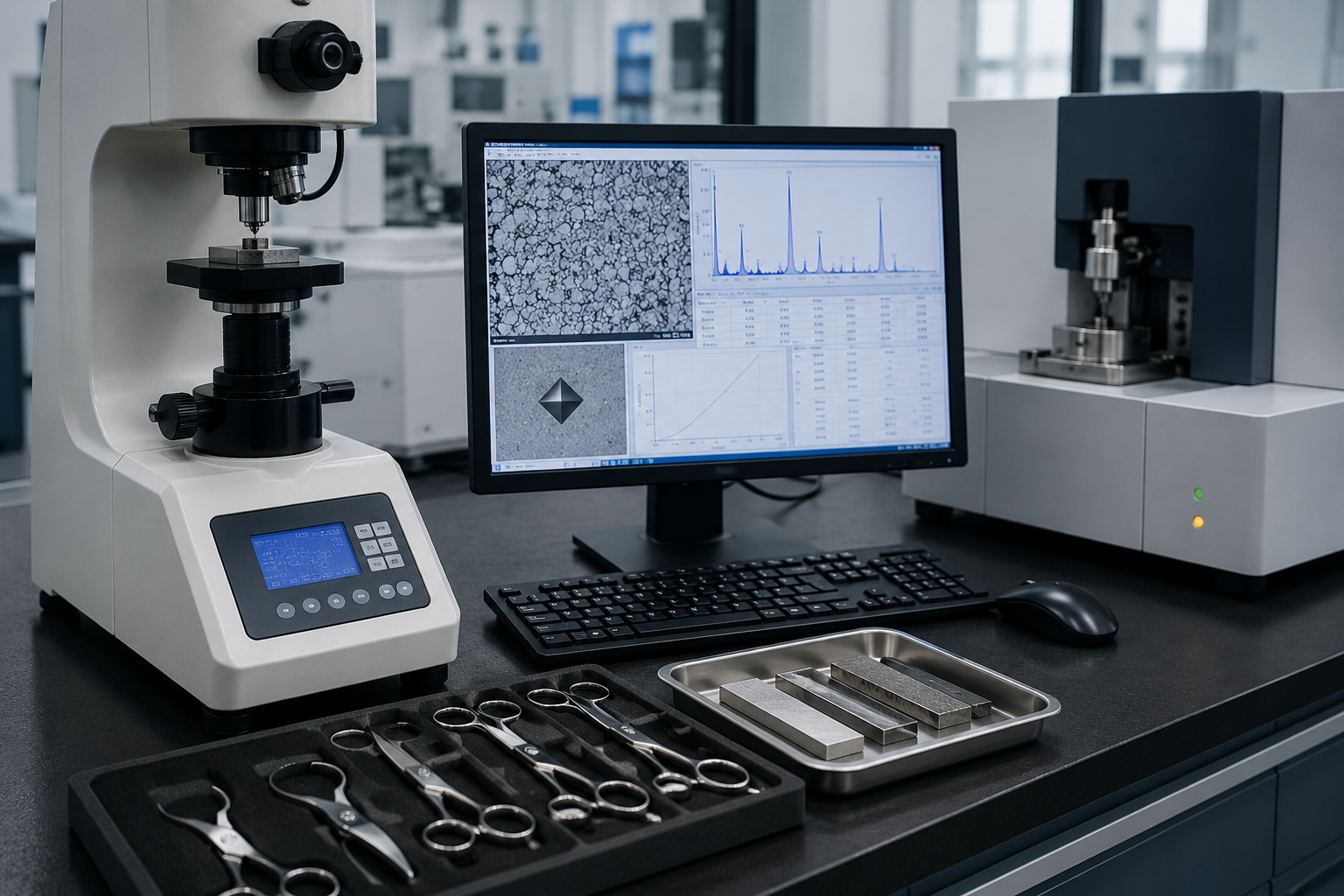
03 — 3rd-Party Testing
Our collaboration with a nationally ranked tools-and-hardware quality testing center allows for a fourth layer of protection. An independent third party tests and confirms hardness and composition of steel as required, meaning you don’t just take internal reports at face value.
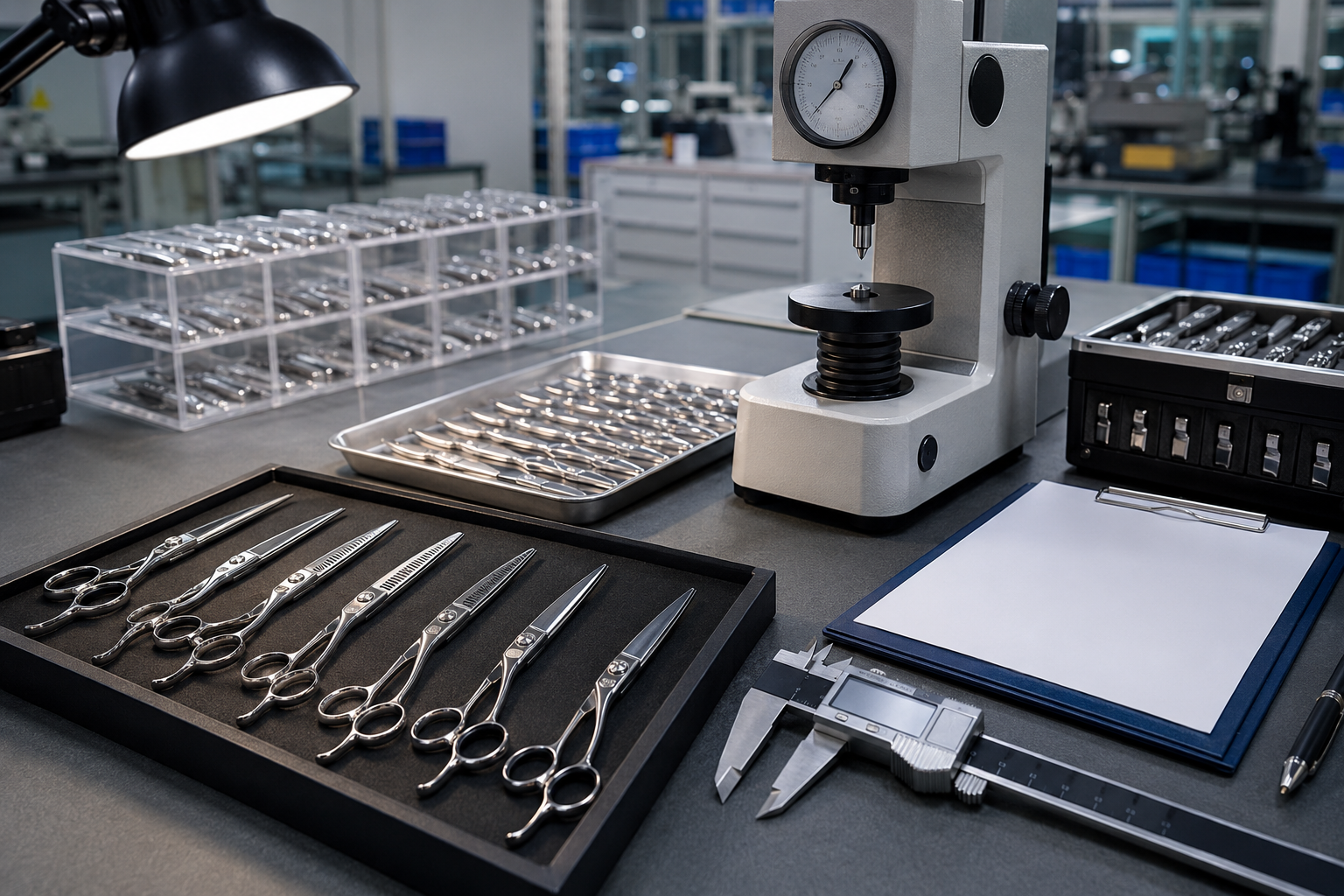
04 — Risk Mitigation
A major blunder for first-time buyers is skipping the testing. We circumvent this problem by ensuring certificates are readily available to ship within 1 business day, linking every batch of production to its detailed test record (covering the 56 HRC – 63 HRC spectrum), rather than relying on vague references.
Sourcing Guide, MOQ, Lead Time & Private-Label Program
The demand for private-label hairdressing scissors has grown fast in the global beauty-tools market, and the barrier most new brands hit isn’t demand – it’s finding a factory willing to accommodate small minimum orders. This is exactly where MATSUOPRO’s OEM/ODM program comes into play, backed by the same ISO 9001 documentation trail referenced earlier — every custom SKU is traceable back to the same certified process, not a one-off side production run.
“ISO 9001 is the world’s best-known quality management standard for companies and organizations of any size.”
– International Organization for Standardization, ISO 9001:2015 overview
[ Sourcing Factor & Standard Terms ]
| Sourcing Factor | Standard Terms |
|---|---|
| Minimum order qty | 50 pcs per custom SKU; in-stock styles from 1 pc |
| Sample time | 3 days |
| Bulk lead time | 60 days |
| Customization | Steel grade, handle finish, blade length, laser logo, packaging |
| Documentation | Third-party hardness report, material cert, BSCI/SGS audit |
Before you place a first order
Before you start negotiating with any Japanese-steel shear supplier, you should ask them three key questions:
- (1) Which specific group of steel plate do you source from? – It’s a whole lot better to hear the exact name of a steel producer than the generic “premium Japanese steel.”
- (2) Do you conduct hardness testing per pair of shears, or per batch?
- (3) Does the quoted 3-day sample lead time include time for my custom engraving, or just the standard blade?
If the answer to any of these is vague, you’re likely dealing with a supplier who’s repackaging the product of another company.
MATSUOPRO OEM for their barber line works on 4 independent variables: steel grade (you select per SKU, not per order), handle finish (polish matte and Mirror Polish are standard; we can offer PVD colors by request), blade length (6.0” – 7.0”), and branding (logo etched, plus custom packaging (retail or bulk)).
Because all intake, forging and finishing occurs on a single factory floor, changing one variable mid-order-for example, switching to VG10 steel in place of ATS314 during the build-doesn’t necessitate passing your order to a second, different factory for heat treat or finishing, the step at which many OEM orders get delayed at factories who sub-contract their heat treatment or grinding.
The usual progression for a new distributor or private label brand’s first order: 3 days for a sample using the selected steel grade and handle finish, then (assuming approval of the sample) 60 days for full production order quantities (50-piece minimum per SKU).
When Brands are evaluating different grades of steel, before finalizing the product catalog, they can opt to sample 2-3 steel grades simultaneously instead of in sequence, because the sampling turnaround time is fast enough that it doesn’t add significant time to your overall lead time to first shipment.
The “Just order 500 pieces and get a better price” work around that many factories offer doesn’t make sense for a brand that’s still testing the waters with the product.
MATSUOPRO’s 50 piece minimum is designed to account for this-unlike other suppliers that might have a low headline MOQ and add additional cost into the sample charge. We encourage you to request a custom wholesale quote with a quantity aligned with the target number of SKUs to see a real, “landed” cost per unit before you commit.
Interactive OEM toolkit
Access our suite of data-driven calculators and configurators to engineer your product specifications, forecast timelines, and optimize your procurement strategy.
Steel grade selector
Identify the optimal Japanese steel alloy based on your target market segment, required hardness (HRC), and retail pricing architecture.
Sample timeline estimator
Calculate exact delivery windows for prototyping and mass production based on your custom variables and current facility load.
OEM spec configurator
Build your custom shear blueprint. Define blade lengths, handle ergonomics, finish types, and hardware components in real-time.
TCO & savings calculator
Analyze the Total Cost of Ownership. Compare direct-from-facility sourcing models against traditional multi-tier distribution channels.
Steel grade comparison
Perform a side-by-side technical evaluation of premium alloys (e.g., VG10 vs. ATS-314) focusing on edge retention and corrosion resistance.
Sourcing & technical FAQ
Clear data on price points, steel grades, and factory realities behind professional Japanese steel shears.
Trade classification
This category is also known as barber shears, but they differ from general hairdressing shears in their primary intended function and length—typically running 6.5” to 7.0” for blending and fading versus the 5.5”-6.0” general hair cutting shears.
Specification variance
Barber shears generally have a longer blade length (6.5” – 7.0”) than the average hairdressing shear (5.5”-6.0”) because this longer length enables the smooth sweeping strokes necessary for blending and tapering haircuts. They also usually feature a single, convex cutting edge as opposed to having a combined cutting and thinning blade.
Origin transparency
No, “Japanese Steel” doesn’t necessarily imply that the scissors were forged and finished in Japan. It simply refers to the source of the steel alloy used. For example, shears can be constructed using high-quality Japanese steel, such as Hitachi’s ATS314, yet still be forged and finished in a precision facility located outside of Japan. Overall quality hinges entirely on the transparency of the manufacturer regarding the specific steel type and hardness data, rather than its country of origin for assembly.
ROI analysis
Based on an independent five-year cost-tracking study of working stylists, the day-to-day price difference between entry and premium steel shears is negligible, roughly $0.05 to $0.38 per day depending on grade and usage. However, premium steel holds a usable edge roughly three times longer between resharpenings ($20–50 per sharpening interval on budget steel versus premium grades). Over the lifetime of a busy chair, that time saved per cut adds up to meaningful extra service capacity each year.
MOQ & lead times
Our minimums for custom private-label SKUs are 50 pieces; off-the-shelf catalog items are available individually. Production of a sample verification batch is completed in 3 days; a larger standard production order requires a lead time of approximately 60 days.
OEM / ODM customization
Yes. Our full OEM/ODM Service Package includes precision laser engraving, custom handle configurations, specific choice of steel grade styles, and personalized brand packaging as standard elements of our commercial manufacturing program.
Brand vs blueprint
Though brands with Japanese roots historically set the baseline standard, there’s a noticeable trend of professional buyers seeking out modern manufacturers that offer the exact combination of high-quality, Japanese-sourced steel with an emphasis on verifiable production metrics (such as specific hardness data and factory audit certificates) rather than simply relying on a brand markup.
Cost breakdown
It’s mainly about the raw steel properties and specialized labor. Alloys like cobalt and vanadium are inherently more expensive by the kilogram, and crafting a hand-honed Convex Edge requires a highly skilled technician to spend extensive time with each individual pair. While buyers familiar with high-end brands like Mizutani understand this cost structure, our 440C Japanese steel models represent a highly affordable entry point within this model of craftsmanship, sharing the exact same eight-step manufacturing architecture.
Terminology definition
Mainly it’s about the blade length and edge execution, though there is no absolute legal boundary. “Scissors” remains the broad overarching term, whereas “shears” specifically designates the longer, professional-grade tools engineered specifically for precision barbering and technical salon work, such as creating accurate fades.