Get in Touch with Mackayhairscissors Company
We use submitted details to respond to your quote request. Read our Privacy Policy.

MATSUOPRO builds hair cutting shears how a professional stylist or hairdresser would check them – by the steel, not the sticker. Each pair in this line is forged from japanese-grade steel-9CR18 through VG10 and ATS-314-with a hardness rating published on the spec sheet, not hidden behind a brand story. This is a high-quality, factory-audited line, not a repackaged commodity blade.
We’re the factory, not a reseller. Distributors, salon chains, and brand owners order direct from our Guangzhou and Zhangjiagang production lines, with OEM and private-label options built in from the first sample.
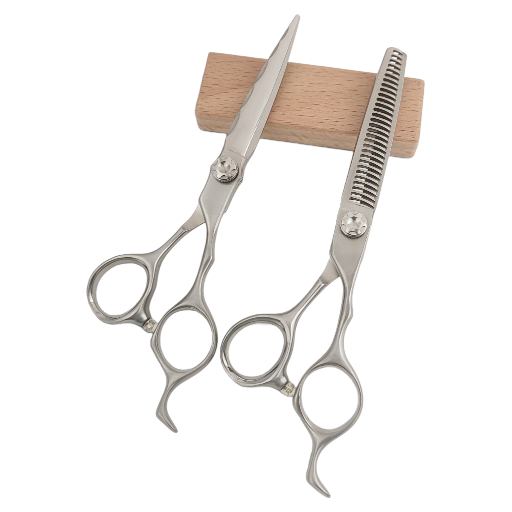
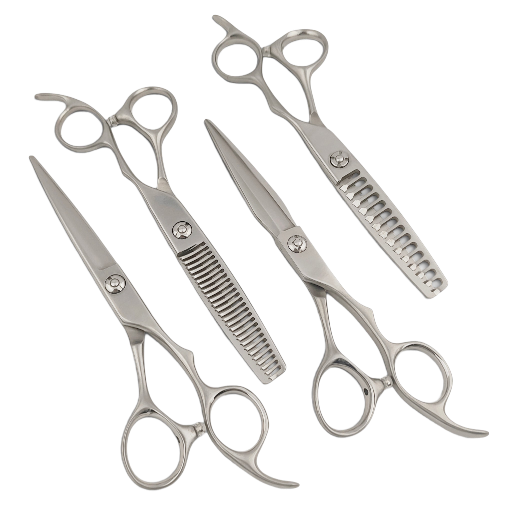
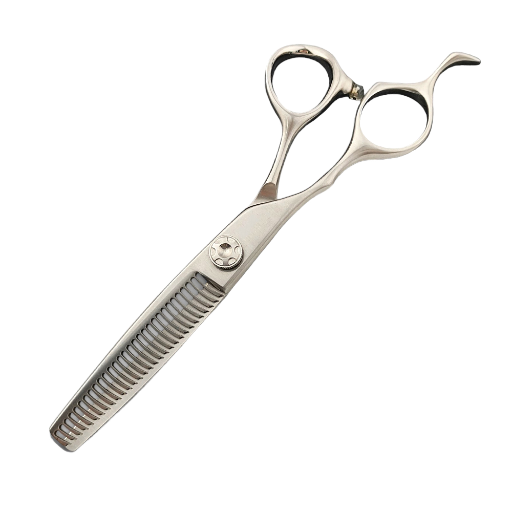
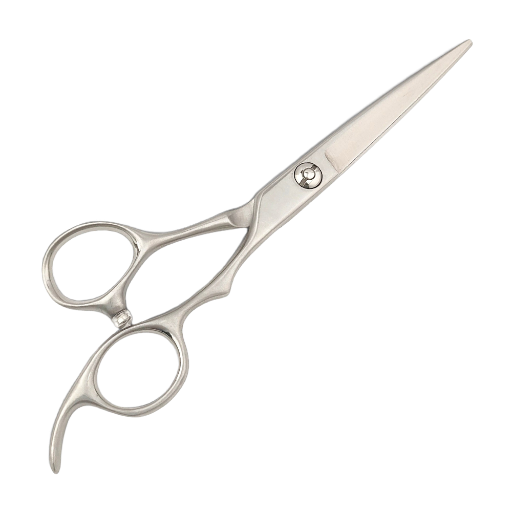
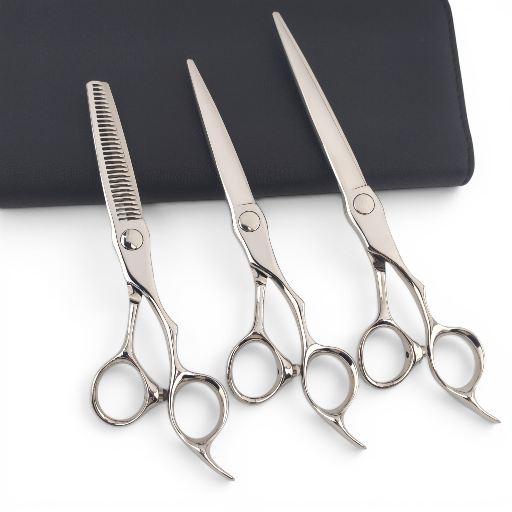
Hair cutting shears and hair cutting scissors are the same tool by two names – a scissor built specifically for hair, with a longer blade and a razor-sharp convex edge, finer than household scissors, sized and balanced for repeated single-handed use through a full shift. professional barbers cutting fades and scissor-over-comb work rely on the same core geometry as salon stylists doing precision layering; the sizing simply shifts.
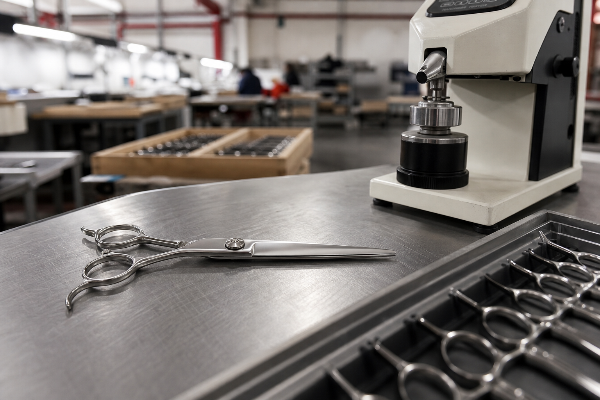
Search a “best hair cutting shears” list today and the same names recur – a $36.99 entry shear at one end, a $1,099 hand-forged japanese pair at the other, with $200-$600 covering most of the professional middle. Every one of those brands buys steel from a factory, adds a logo, and sells through a retail or reseller markup. MATSUOPRO is the factory.
That distinction matter more than it sounds. A distributor or salon-chain buyer stocking shears through a reseller is paying for someone else’s warehouse, marketing, and margin on top of the steel – U.S. Census Bureau research on global sourcing and domestic distribution confirms this markup layer is structural, not incidental, whenever buyers source through a wholesaler instead of direct from the manufacturer. Buying factory-direct removes that layer – the same VG10 or 440C blade, the same HRC range, without the resale markup stacked on top.
Sourcing professional hair cutting shears for a distributor or salon-chain order?
Request the factory-direct price list →Every hair cutting shear in this collection ship with a published steel grade and a tested hardness range – not a marketing adjective. This is the table most factories won’t show you.
| Steel Grade | HRC Hardness | Tier | Typical Use Case |
|---|---|---|---|
| 9CR18 | 55-57 HRC | Economy | Left-handed & colored sets, apprentice/entry stock |
| SUS440C | 56-58 HRC | Standard | General salon cutting shears |
| Japanese 440C | 58-60 HRC | Mid-premium | Salon Series, daily professional use |
| VG10 | 60-62 HRC | Premium | Professional cutting shears, longer edge retention |
| ATS-314 (Hitachi) | 60-62 HRC | Premium | Professional cutting shears, cobalt-alloy edge life |
Hardness values are per-batch test ranges from our production spec sheets, not a guarantee for every individual unit – a single Rockwell reading at one test point doesn’t certify the whole finished blade. Third-party hardness and material-composition reports are available on request.
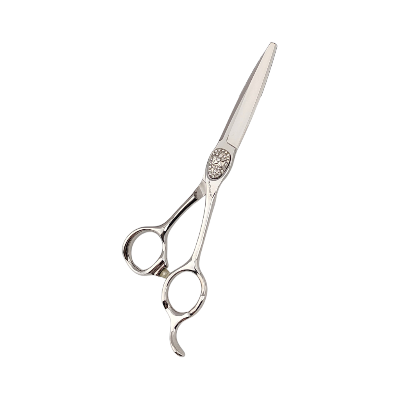
All five grades of knives have the same blade geometry: a hand-honed japanese convex edge, vacuum heat-treated, and cryogenically tempered before grinding. What differs between them is edge retention under the rigors of daily cutting load, and that difference is significant. Grade 440C stainless steel is the industry’s high-carbon workhorse – 16-18% chromium, up to 1.20% carbon, hardened to roughly 56-59 HRC depending on tempering temperature – which is why it’s in the middle of our price range, not the top.
The more honest answer to that number, according to a field observation by one Australian scissor-sharpening service: “Cheap scissors might last two years. A well-made japanese steel scissor, with good care, will serve you for 15-20 years or longer.” This gap is the real trade-off buyers price in when they’re comparing our 9CR18-tier stocks against VG10 or ATS-314 – not brand prestige, but avoided sharpening cycles over a decade of daily cutting.
One myth that should be put to bed: “you must sharpen every 3 months no matter what” is sales-speak, not a statement of physical law; real sharpen intervals follow cutting volume and steel grade, not a arbitrary calendar date. This is also the same reason why we give hardness ranges rather than single-word “premium” labels: a number can be independently verified, a word can’t.
Why is it “japanese steel” and not just “premium steel”? Because the term has no legally protected meaning in the industry. ATS-314 is made by Hitachi Group in Japan, a supplier and grade name we’ll gladly provide on request, which is what any truly sourced steel will be able to tell you – a fact that most relabeled goods can’t.
Steel grade will determine how long an edge last; size, blade geometry, and handle determine whether the shear suits your hand and technique. Our hair cutting shears and hairdressing shears range from 5.0″ to 7.5″ all with japanese convexity standard; the sharper, glide-cutting geometry that professional haircutting technicians rely on for slide and point cuts, rather than the shallower beveled edge found on most consumer and entry-level scissors. A finger rest on our offset and swivel handles provides your pinky finger comfort through extended use, following the same NIOSH hand-tool grip-span guidance that occupational-health researchers use to reduce hand fatigue on repetitive-use tools.
| Size | Handle | Best Fit | Steel Options |
|---|---|---|---|
| 5.0″-5.5″ | Offset / Left-hand | Precision, detail & point cutting | SUS440C, Japanese 440C, VG10 |
| 6.0″ | Offset / Straight | All-around salon cutting | All 5 grades |
| 6.5″-7.0″ | Offset / Swivel | Scissor-over-comb, barbering | Japanese 440C, VG10, ATS-314 |
| Left-handed (5.0″-6.5″) | True reverse-ground | Left-handed stylists | 9CR18, Japanese 440C, VG10 |
Every configuration listed in the table above include a ball-bearing pivot screw and a lightweight, offset handle designed to reduce thumb and wrist fatigue over an entire work day-an ergonomic priority that most professional shear buyers rank only behind steel.
Our left-handed shears aren’t just right-handed shears with the handle flipped: the blades themselves are ground in reverse. This is critical for proper left-handed tracking. A left-handed shear with only the handle mirrored will still cut in a right-handed manner and feel resistant when used by left-handed operators. Don’t be afraid to ask your supplier exactly what they mean before you buy: is the blade ground in reverse or is it just the handle?
It’s not only length that counts when you’re more than four hours into a shift. most professional daily use shears fall into a relatively tight weight window – light enough that the pivot point doesn’t drag across your thumb, heavy enough that the blade can still track cleanly through the thick and coarse stuff without you needing to wrestle it. we balance every pair of shears around that same working weight so we’re not trimming ounces off just for a marketing spec sheet. a shear that feels great during a five minute demo and one that feel great during cut #30 aren’t necessarily the same tool.
A single generic ‘hair cutting shears’ entry is usually all a factory-direct supplier provide, but that generic listing causes no end of problems for the distributor who’s trying to match up the end-customer’s order with the container that just arrived. ordering left-handed when the order form clearly says right-handed or a starter kit when there’s no complementary thinning shear ordered makes for an expensive problem once the ship has docked.
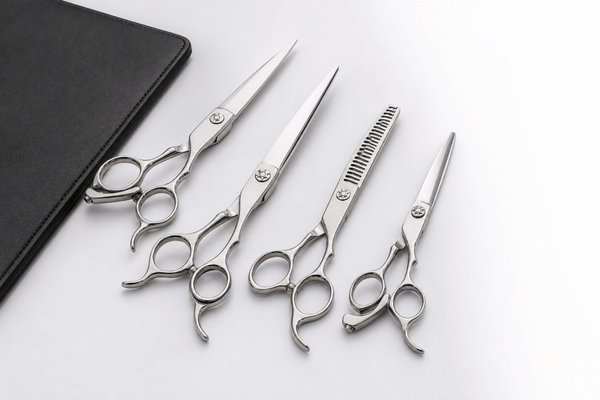
MATSUOPRO divides our professional hair cutting shears, salon grade bulk lines, genuine left-handed shears, and beginner sets into four separate collections for this reason – a 6.0″ offset professional shear is a very different thing from a true left-handed reverse-ground shear, though most generic catalogs might list them together. The four lines below detail the specs, pricing and bulk discounts for each use case. product listings will render along these cards.
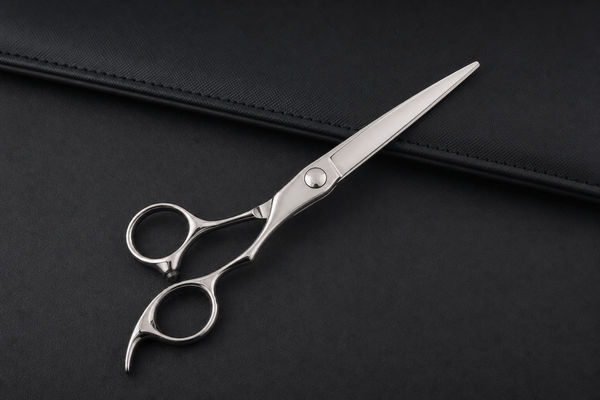
5.5”-7.0″ 440C, ATS-314, VG10 cutting shears designed for the rigors of daily professional volume – the professional hair scissors salons reach for first.
View Professional Collection →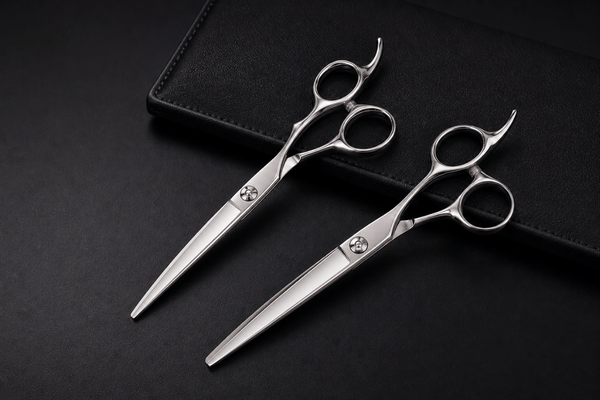
japanese 440C salon-grade shears made for a full-day workflow with choice of offset and swivel handle, tiered pricing available for multi-chair salon orders.
View Salon Series →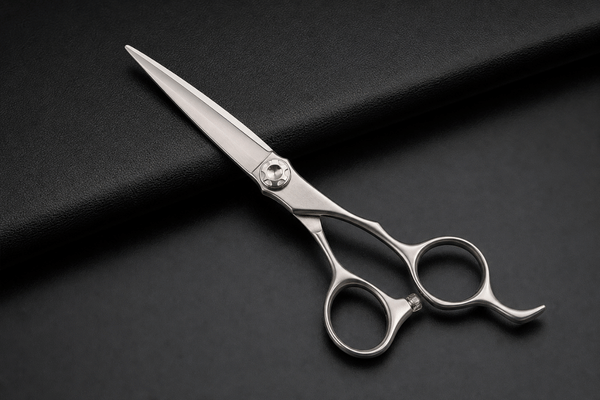
True left-handed reverse-ground blade, not mirrored, available in 9CR18, japanese 440C, and VG10.
View Left-Handed Collection →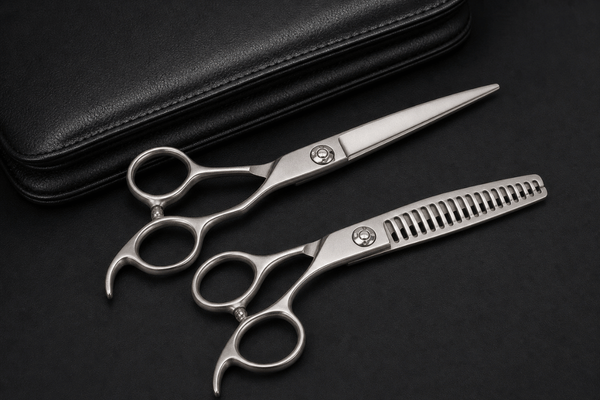
hair cutting shears set that pairs a cutting shear with hair thinning shears for texturizing in the same steel finish – polished steel, black, gold, purple, or rainbow chrome.
View Sets & Kits →Not sure which sub-collection matches your order — professional hair cutting shears, salon bulk, left-handed, or a hair cutting shears set?
Send us your spec and we’ll confirm the right SKU →A lack of detail in the initial OEM quote is often how these relationships go sideways; a distributor is quoted a price without a firm lead time and then learns of a potential shipping miss or minimum quantity increase only after a deposit has been made. because we operate under our own MATSUOPRO brand and under your private label, we bridge this gap: our pricing has tiered minimum order quantities (MOQs) and an upfront sample timeline.
Minimum OEM order quantity for any SKU is 50 pieces; styles that are in stock will ship individually. runs of left-handed shears and colored finishes carry a 100-200 piece minimum to cover the specialized setup. all configurations – offset, straight, swivel ergonomic handle – are available with any of our OEM orders.
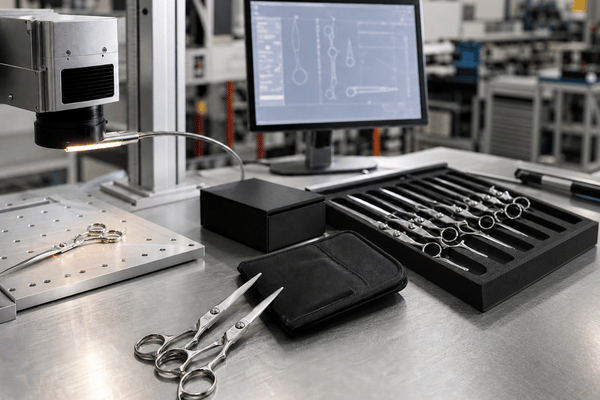
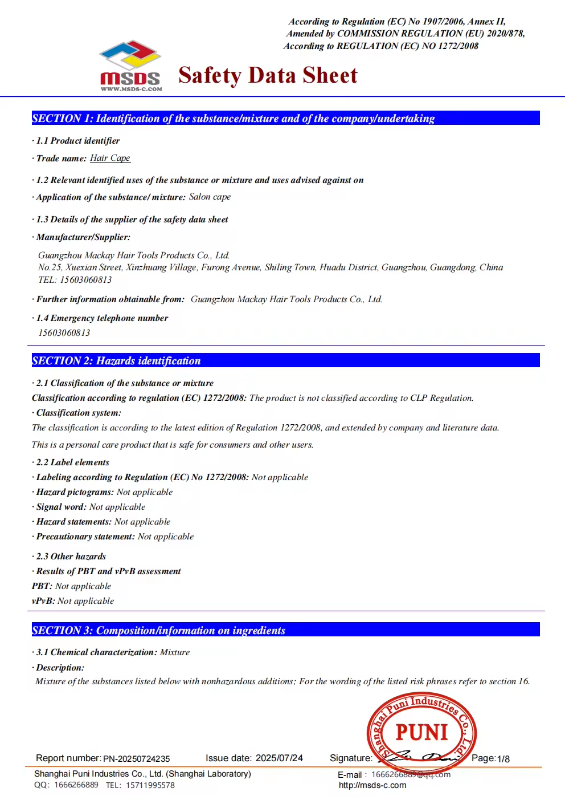
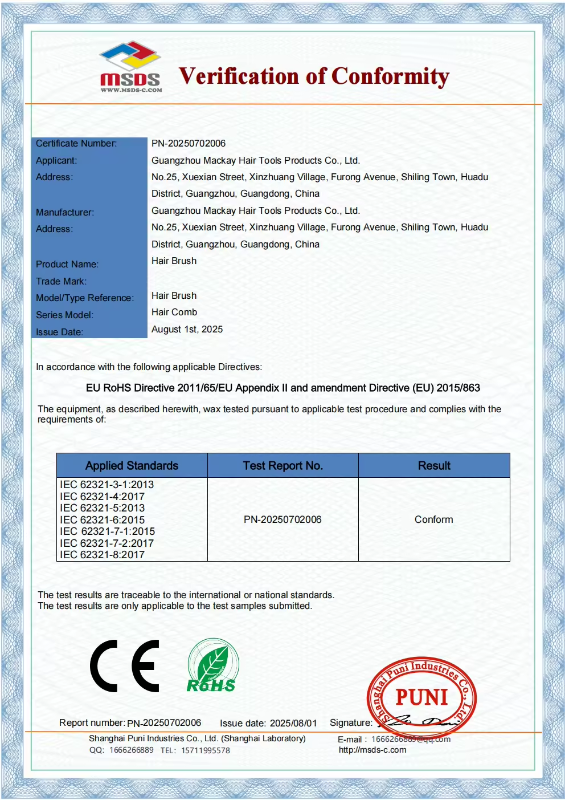
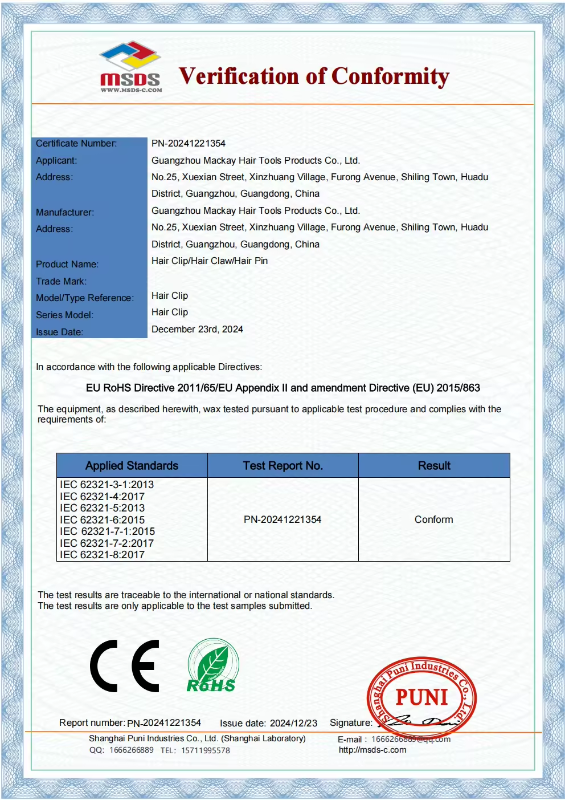
Not every trust signal means the same thing, so we aren’t going to file them all under one vague “certified” badge. Here’s what each one actually cover – and how to check it yourself.
These four are program participation records, not steel-quality tests. BSCI is a social-compliance due-diligence scheme – amfori, the organization that runs it, states plainly that BSCI participation is not itself a product or company certification, and full audit reports are only visible to program members. An SGS audit and an ISO 9001 quality-management system are real verification paths, but only if you check them at the source: SGS publishes a Certified Client Directory searchable by certificate number, and accredited ISO 9001 certificates are traceable through the issuing certification body’s own accreditation record.
Our Alibaba Verified Supplier status is live and checkable on our storefront right now. Our BSCI participation, SGS audit, and ISO 9001 system are supplier-stated – if a compliance file needs the certificate or audit-report number to verify independently, ask your account manager for it before you rely on the claim in a sourcing decision. That’s the honest standard we’d want from a supplier ourselves.
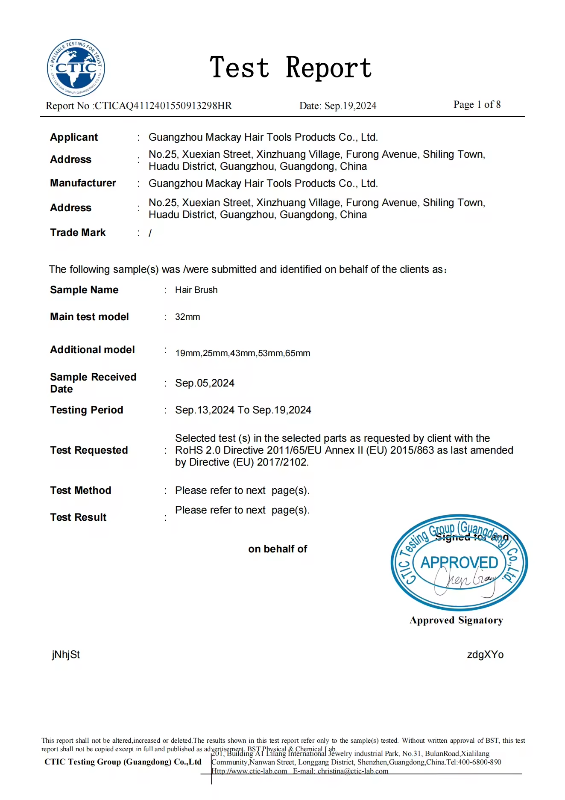
On product-level evidence: third-party Rockwell hardness reports, material-composition reports, and salt-spray corrosion test results are available on request for specific SKUs. Our design work is also backed by intellectual property filings – ask for the specific patent or design-registration numbers for the models you’re sourcing, since a portfolio claim is only as useful as the numbers behind it.



Access our digital calculators and configuration finders to evaluate steel hardness, match shear sizes to cutting techniques, and estimate OEM production timelines and minimum order quantities.
In practice they’re the same tool. “Shears” more often describes the longer-bladed, single-handed professional tool used by stylists and barbers, while “scissors” is the broader everyday term. Blade length, edge type, and balance are what actually separate a household pair from a professional shear.
Steel grade, heat treatment, and hand-finishing time are the real cost drivers – not the brand name on the handle. A 440C-class shear and a VG10/ATS-314-class shear can look identical, but the harder steel holds a convex edge through roughly two to three times as many sharpening cycles before it needs replacing. Buying factory-direct keeps that steel cost without adding a reseller’s markup on top.
In terms of daily professional use, honestly? It’s whatever steel grade and hardness range your budget supports and whatever volume you work, forged by whoever will show you the numbers. Our japanese 440C and VG10 are the lines where most working stylists and barbers fall – for the full spec break down, check out our Professional Collection.
Not always. If you’re outside the softest, entry-level steels (below approx. 56 HRC), moving up to an ultra-premium from a decent mid-range shear is really about your edge-retention interval and finish, not some huge quality cliff – several very experienced stylists on record specifically caution against the premium paid for a premium brand name, versus a spec sheet you understand.
True left-handed scissors have the blades ground in the opposite direction, not just the handles swapped – a mirrored handle alone isn’t the answer. See the Left-Handed Collection for the full range of specs.
Minimum of 50 pieces per SKU for custom orders. Our styles ship as a single piece when in stock. Left-handed and colored-finish orders generally require a minimum of 100-200 pieces, owing to the costs associated with setting up our equipment.
Existing style samples can ship within 3 days. Any new custom designs involve several steps from initial sketch through to CAD and prototype stages before sampling. Bulk orders typically take about 60 days, based on current spec sheet schedules. Exact lead times will be confirmed during the quoting process.
We are able to provide documentation for our BSCI participation, SGS audit report and ISO 9001 certificate upon request – just ask for the specific certificate or audit report numbers and have your compliance team verify them directly with the relevant source (both SGS and approved ISO organizations have verification systems available). We can also provide independent material hardness and composition testing results for selected SKUs.
The most reliable measurement for your working length is to lay the shear across your palm, from the heel of the handle to the tip of the first knuckle on your thumb – in inches. Most stylists are in the 5.5″ to 6.0″ range for general work, as well as precision cuts, with a length of 6.5″ to 7.0″ often preferred for scissor-over-comb or barbering techniques.