Get in Touch with Mackayhairscissors Company
We use submitted details to respond to your quote request. Read our Privacy Policy.

Professional shears work behind the chair, not in a catalog. We machine Mackay (MATSUOPRO) professional salon shears from Japanese VG10 and ATS-314 steel, then hand-harden to HRC 60-62 and sharpen by hand to a Japanese convex edge in our factory – complete with third-party verified hardness reports. We also are the manufacturer of several private label salon shears brands sold in the US and Russia, so we don’t have huge minimum orders: just 50 pieces custom, or one in stock.
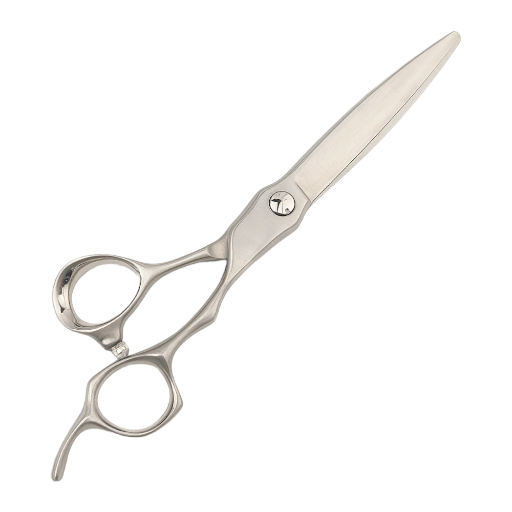
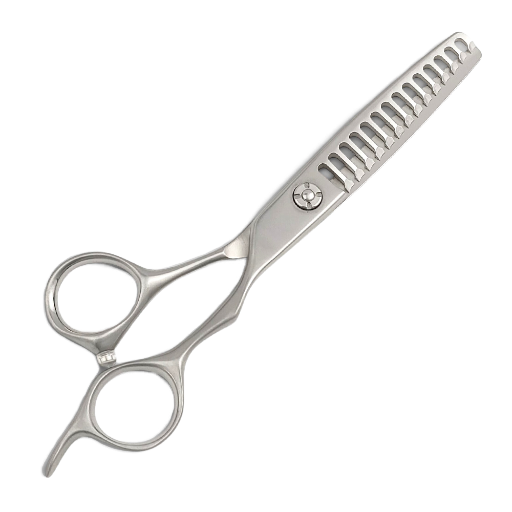
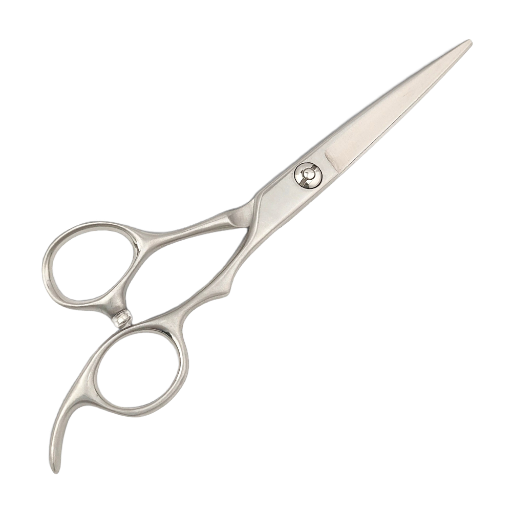
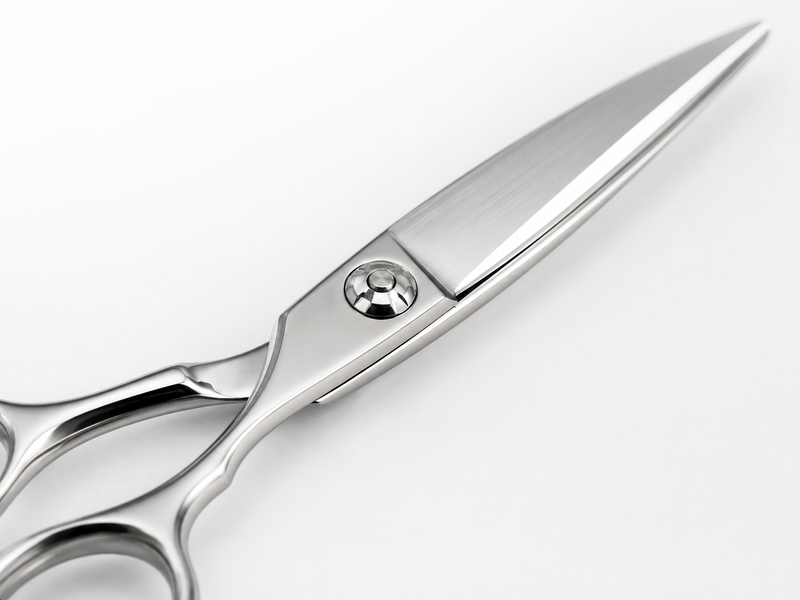
Nearly every pair marketed as salon-grade become dull in a single season-and that stress takes its toll on your wrist. When the blade creases hair instead of cutting it, stylists apply extra pressure for every single person in their chair, leading to the same hand fatigue after hours spent cutting. Common remedies like shelling out cash for a renowned name brand, or just paying extra for something higher priced, don’t even address the two elements that truly influence how any salon shear will actually cut: the steel, and the shape of its edge.
A professional hair cutting shear is two sharpened steel blades, with a precise edge geometry, a perfectly tuned pivot, and an ergonomically opposed handle set. Correct those elements and a shear glides – correct them and no brand logo makes a bad shear good. That is where Mackay makes the difference – we provide you with steel type, Rockwell hardness, and convex edge angle rather than rely on the overused term “premium.”
Shear teardowns by others suggest that a properly treated 440C can hold its edge better than a badly treated VG10-and a proper process is better than a steel’s label. We’re going to call our vacuum hardening, cryogenic tempering, and mirror-polished convex hand edge a process product and not marketing hype. Each Salon Series is hardened in vacuum, cryo-tempered, and finished by hand into a convex edge mirror polish that is individually checked for perfection.
What goes wrong, in practice, is relying on the name plate instead of the steel and the edge – the point where cost compromises between hardness and toughness. A steel that’s kept soft at 56 HRC can begin to wear and slip on its edge after even 90 days of professional, heavy-daily use. Over-hard, 64 HRC steels are brittle and may chip their edges. The margin between the two can be the difference that matter – a working hair salon shear professional buying shears should buy the steel, not the logo. The logic of sharp hair cutting scissors we rely on to get this right applies everywhere else too. Whether you cut hair wet or dry, professional hair scissors have to survive a full day of precision work, and most hairstylists judge a pair of shears by how it holds a razor edge, not by the box.
Request the steel & HRC spec sheet to see the exact numbers →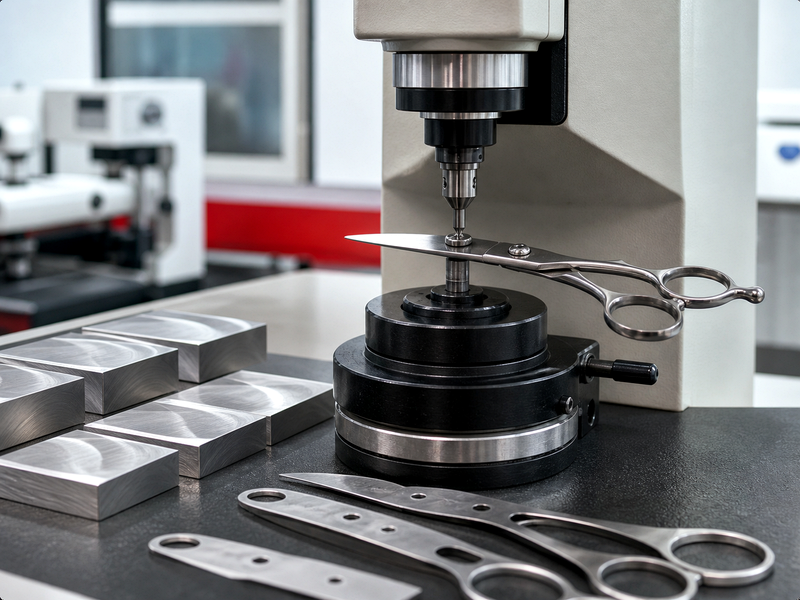
Designed to be a working kit not one heroic shear, Salon Series’ matching cutting and texturizing shears are in the same steel family. It’s perfect for any multi-chair salon or any distributor who needs to put entire benches on the same page. All models operate on VG10 at HRC 60-62, featuring hand-honed convex edges and are available in 5.0 through 7.0 and either left- and right-handed. Built with stylists and barbers in mind, the range covers cutting shears, texturizing scissors, thinning scissor sets, and grooming shears — a pair of shears for every job, from dry cutting to detailed haircutting and everyday haircut work.
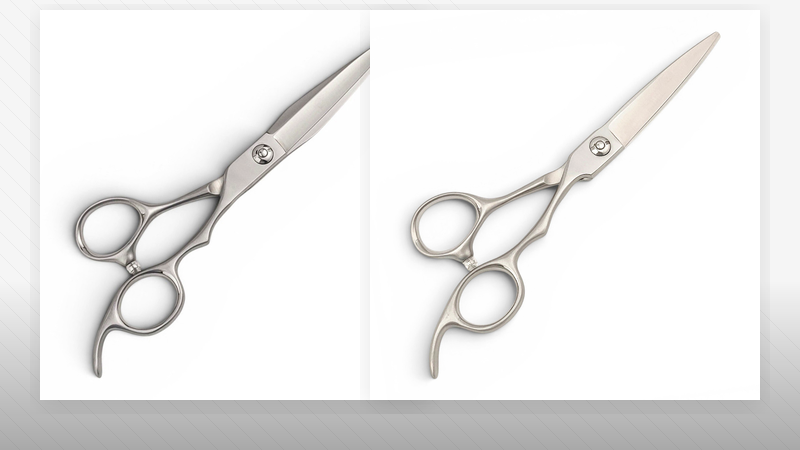
Everyday precision cutting shears for blunt and point cutting. Offset handle, dry or wet cutting.
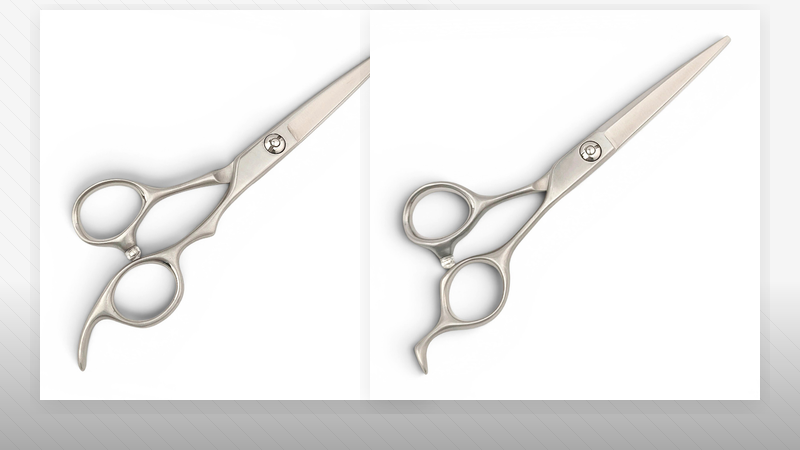
Slide-cutting and detail work around the hairline and ears; lighter balance for control.
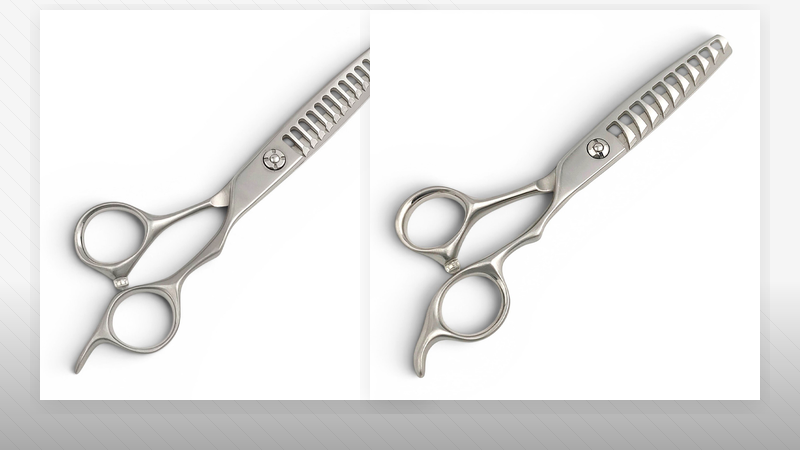
Heavy texture and finishing bulk removal; wide tooth spacing for movement.
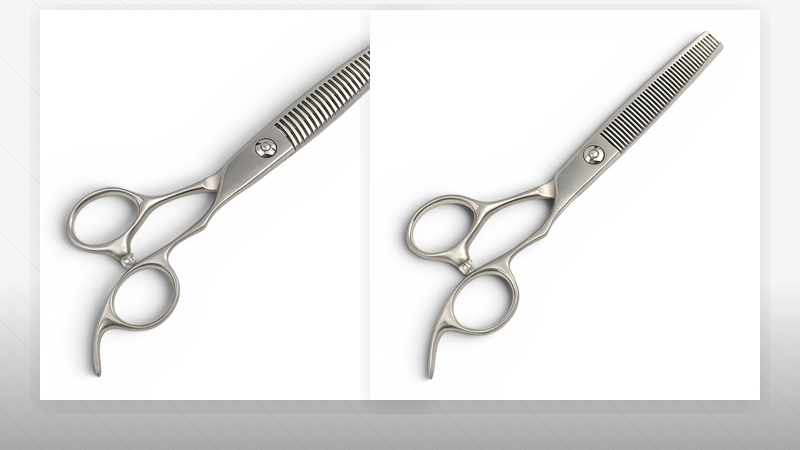
Standard thinning and fine blending for soft, invisible transitions.
| Model | Type | Steel | Size | Teeth | HRC | Edge / Handle |
|---|---|---|---|---|---|---|
| Kamikaze | Cutting shear | VG10 | 6.0″ | — | 60–62 | Convex / Offset |
| Kime | Cutting shear | VG10 | 6.0″ | — | 60–62 | Convex / Offset |
| Talon | Cutting shear | VG10 | 6.0″ | — | 60–62 | Convex / Offset |
| Tenshi | Cutting shear | VG10 | 5.5″ | — | 60–62 | Convex / Offset |
| Mamba | Texturizing | VG10 | 6.0″ | 14T | 60–62 | Convex / Offset |
| Ultra | Texturizing | VG10 | 6.0″ | 10T | 60–62 | Convex / Offset |
| Shimatta | Thinning | VG10 | 6.0″ | 30T | 60–62 | Convex / Offset |
| Mazeru | Blending | VG10 | 6.0″ | 40T | 60–62 | Convex / Offset |
| If your bench does mostly… | Start with | Size | Add for the kit |
|---|---|---|---|
| Blunt / precision cutting | Kamikaze or Kime | 6.0″ | Shimatta 30T thinning |
| Slide & detail cutting | Talon or Tenshi | 5.5–6.0″ | Mazeru 40T blending |
| Barber / fade & scissor-over-comb | Kamikaze | 6.5–7.0″ | Mamba 14T texturizing |
| Texture-heavy styling | Kime | 6.0″ | Ultra 10T + Mazeru 40T |
The common mistake is buying one pair and forcing it across every technique, which drives uneven cuts and the risk of hand strain on the bench. Because blade length and tooth count are engineered to the cut, 5.5 in for detail work, 7 in for scissor-over-comb, and 30–40T hair thinning shears for blending, in practice, matching the tool to the job is the real fix, unlike a one-size-fits-all pair. Every model is CNC-ground and hardened in-house to the same ISO 9001 standard, so a multi-chair salon holds consistent precision across cutting shears, barber shears, and hairdressing cutting scissors, the professional hair salon shears a bench standardizes on.
Left-handed stylists receive genuine left-handed shear builds- the blade ride and pivot are flipped to perfectly mirror the other side, not just a flipped handle. A flipped handle lefty still cuts “on the wrong side of the blade against the thumb” as stylists put it.
As one salon stylist on a forum summed it up: “Japanese Steel just means the steel FORMULA follows Japanese specs” -it does not mean the shear was manufactured in Japan. We craft our shears from authentic Japanese steel (including Hitachi Group ATS-314 plate sourced directly from Japan), and perform all finishing in our in-house Chinese facility. We don’t try to obscure this fact: one popular competitor sparked consumer fraud threads for marketing their “Japanese steel but made in China” shears with outrageous markups-we will not claim otherwise, and would rather be honest: we compete on accurate, independently verified numbers to establish trust instead.
The performance of any blade edge is determined by its steel grade, its hardness (Rockwell scale), and the geometry of the grind applied. Therefore, we share all three metrics. Hardness helps the edge last longer, but beyond a certain point it also increases brittleness-that’s why the optimal balance for daily salon shears lies in HRC 60-62 rather than an exaggerated number. This is high-quality Japanese steel expertly crafted for a razor edge — not German steel, which runs softer — and the quality of the shears comes from premium quality heat-treatment. That is what lets these professional hair shears deliver smoother cutting and precise cuts, the superior quality a professional barber or hairstylist feels on the first section.
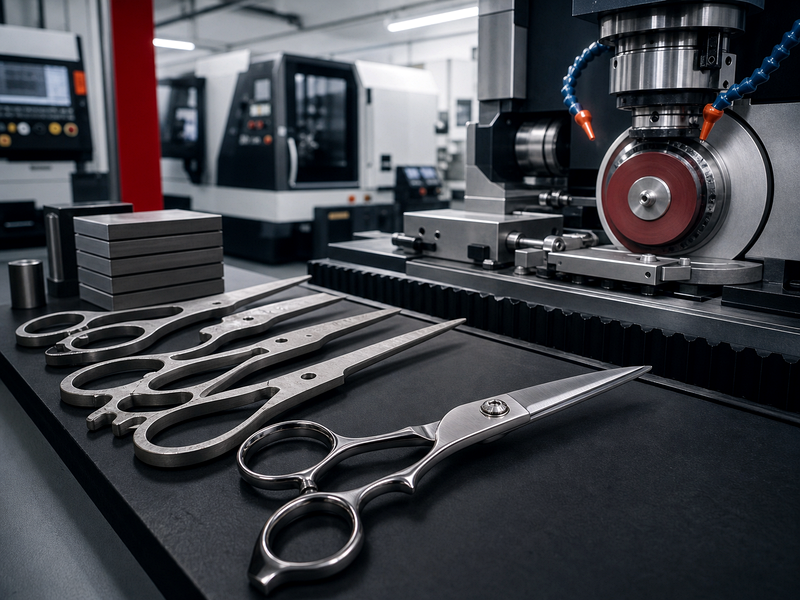
The honest version most sellers skip: as one steel teardown puts it, “a well treated 440C shear can outperform a poorly treated VG-10 shear” — so a premium grade does not always buy a better edge. The trade-off is brittleness, because past roughly 62 HRC the edge chip, which is the mistake behind shears that crack at the tips. That is why we publish 60 HRC to 62 HRC on a convex edge engineered to a tight window, hardened and hand-ground in-house on the bench, and in practice back it against USPTO-referenced convex geometry, request a third-party hardness report to confirm against our numbers. These japanese hair cutting shears earn their edge from process, not price.
| Grade | Composition (key) | HRC | Tier | Best for |
|---|---|---|---|---|
| 9Cr18 | High-carbon chromium | ~56–58 | Entry | Value / training pairs |
| 440C (China) | C 0.95–1.2% / Cr 16–18% | 56–58 | Value | Budget salon & barber stock |
| 440C (Japan) | C 0.95–1.2% / Cr 16–18% | 57–59 | Mid | Corrosion-tough daily use |
| ATS-314 | C 1.05% / Cr 14% / Mo 4% | 58–60 | Upper-mid | Cobalt edge, longer retention |
| VG10 | C 1.0% / Cr 15% / Co 1.5% / V 0.2% | 60–62 | Premium | Salon Series daily driver |
| Damascus | VG10 core + 33–67 folded layers | 61–63 | Flagship | Showpiece & gift pairs |
| Cobalt alloy | Cobalt-rich stainless | up to 64 | Flagship | Maximum edge retention |
The edge is a Japanese convex (hamaguri) grind at 15-20°, hollow ground on the interior ride for minimal friction. This is the design stylists recognize as “it glides”- and it’s not a new concept; patented designs for convex cutting-blade geometry date back decades (see U.S. Patent No. 2021/0114240 A1 and U.S. Patent No. 4,422,240 for examples of convex cutting blade designs). We’re not claiming innovation; we’re claiming proficiency in applying this established geometry by hand to exceptional steel.
“We list the grade and Rockwell number intentionally. If a stylist sends any of our shears to a third-party lab, it will read exactly where we say it is hardened – that’s the point of us making the blade ourselves and not buying it in.”
When you pay $400 or more just because it is more expensive and therefore better, you’re falling for a story, not sharper hair – more expensive is not always better.
The market price for a Japanese steel convex shear rests in a certain range, and much of the price difference above that is really a marketing logo and distribution layer, not more steel. The following table provides a basic comparison of a factory-direct manufacturer’s price and a common reseller/badge brand price. For a lower price than badge brands, you still get high-quality shears and superior quality edges — a point customer reviews of factory-direct hairdressing shears repeatedly make.
| What you can check | Typical reseller / badge brand | Mackay (factory-direct) |
|---|---|---|
| Steel grade published | “Japanese steel” (grade rarely named) | VG10 / ATS-314 / 440C named |
| HRC hardness stated | Seldom | HRC 60–62, third-party report on request |
| Edge type | “Sharp” | Hand-honed convex (hamaguri) 15–20° |
| Who makes it | Assembled / rebadged | Made in our own 80-step line |
| Market price band (VG10) | $219–399 reseller; $700–2000+ badge | Factory-direct RFQ — no reseller markup |
| Custom orders / private label | Rarely | OEM/ODM, MOQ from 50 |
While reseller VG10s will typically sell between $219 – $399, major brand badges will cost $700- $2000 and up. Buying direct removes that intermediate layer, so you’re only paying for the steel, the independently tested heat treat and hand finishing, not the badge.
The number that impacts total cost of ownership over five years of bench time is edge retention, how often it needs sharpening, and whether the shears will survive a fall – not the opening price. The commonly accepted figure for a well-made Japanese-steel convex shear is 15-20 years with sharpening, which is why stylists consider it an investment tool, not a consumable.
The repetitive act of cutting adds strain to the thumb, wrist and elbow, and poor balance will only amplify that strain over a full book. The Salon Series features a dropped 10-15mm offset handle, with semi-offset and crane options, tuned to about 45-48 grams so the shears will stay balanced in the hand. Offset and crane style handles are recommended most frequently to help prevent hand fatigue and repetitive strain injury for stylists.
Our ball bearing pivot system provides consistent tension throughout the day, so shears will open and close with the same feel from client one to client twelve. Tension is set manually during assembly, and re-inspected at final check.
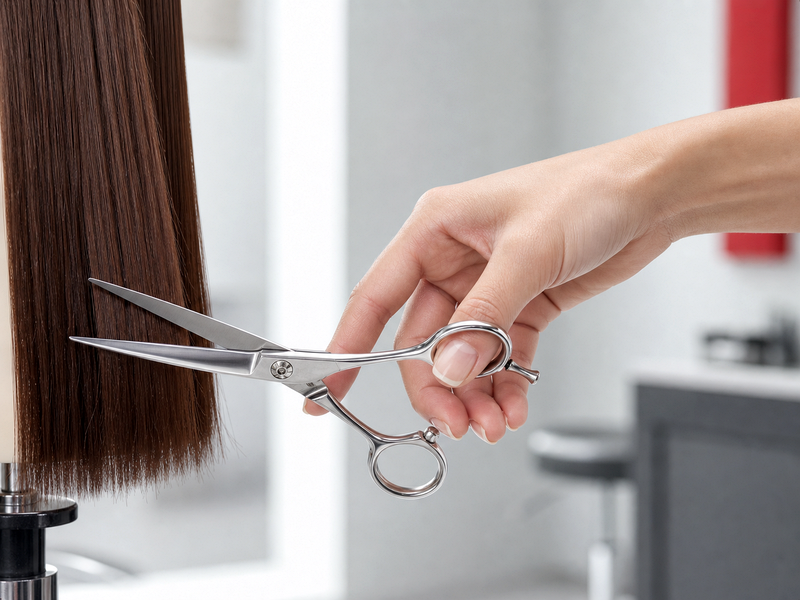
Because a badly balanced pair drives the wrist into the risk of repetitive strain injury, the offset ring moves the thumb into a neutral position, as one trade source notes, “This offset ring configuration minimizes strain on the thumb and the median nerve.” Whereas a flipped-handle “lefty” still cuts against the thumb, our crane and swivel builds are engineered to the hand, hardened and CNC-ground in-house. Over a 10 hour day on the bench that balance is the difference, and it is not always the priciest brand that gets it right, so request a sample pair to test it before you standardize. Designed to reduce hand fatigue across a full slate of hairstyles, the handle suits any hairdresser or cosmetology professional, and it pairs with our barber scissors so hair stylists and barbers can work long shifts without wrist pain.
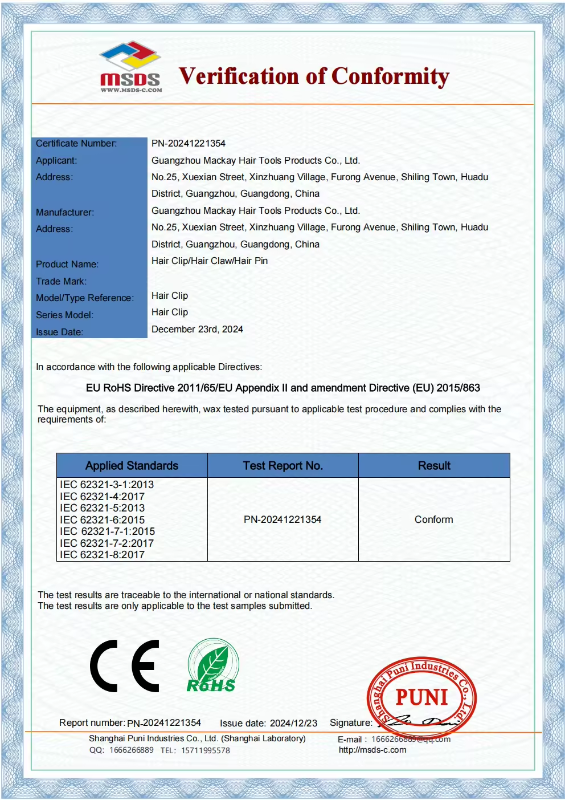
When a brand name is new to market, trust is built with documentation and data, not with puff and platitudes, every claim on this page is one you can ask us to prove. We operate to BSCI, SGS and ISO 9001 quality systems, and our factory is audited by the national quality-control center for tools and hardware.
A new name represents a very tangible risk to a buyer, and the common mistake many new businesses make is offering marketing copy and a low number when what a distributor actually wants is proof that stands up to verification. Because we run in-house heat-treatment and CNC grinding under one ISO 9001 quality system, every claim about materials and hardness is built to be documented — verified with third-party test reports (issued within about 5 days of request) and checked at the bench against test certificates for volume orders, unlike imported, rebranded products where it all exists on paperwork only.
As to material and performance characteristics we are capable of providing independent salt spray corrosion testing, Rockwell hardness testing, material composition testing, and mill certificates for the Japanese steel (the exact types of reports a large, serious distributor will audit before placing volume). The ability to back up our claims of performance with verifiable documentation alleviates the primary concerns when evaluating a brand one hasn’t heard of previously.

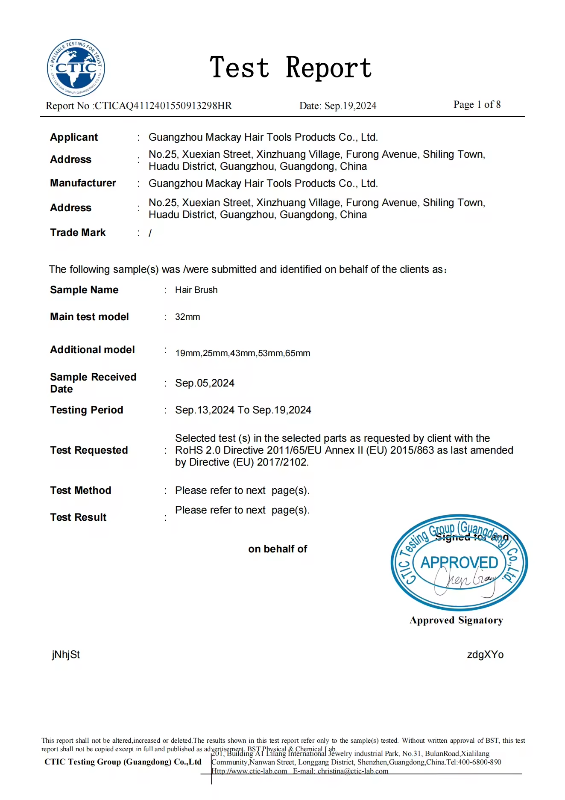

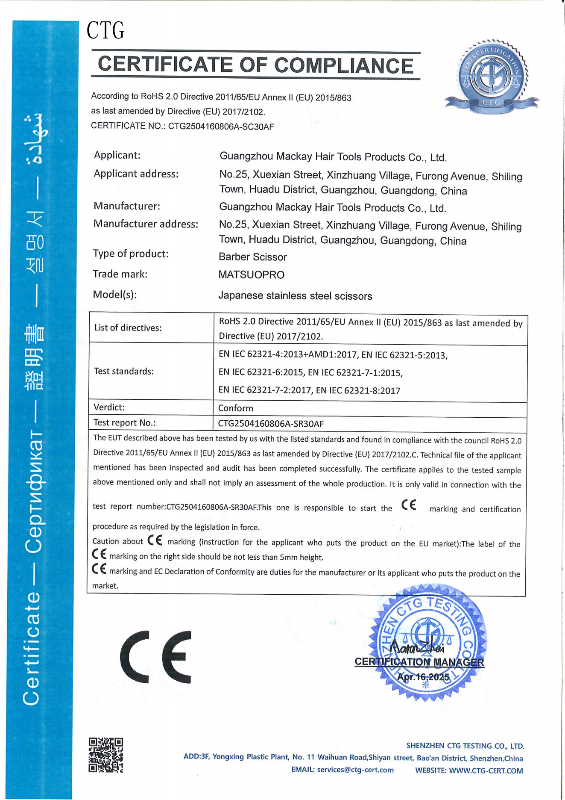
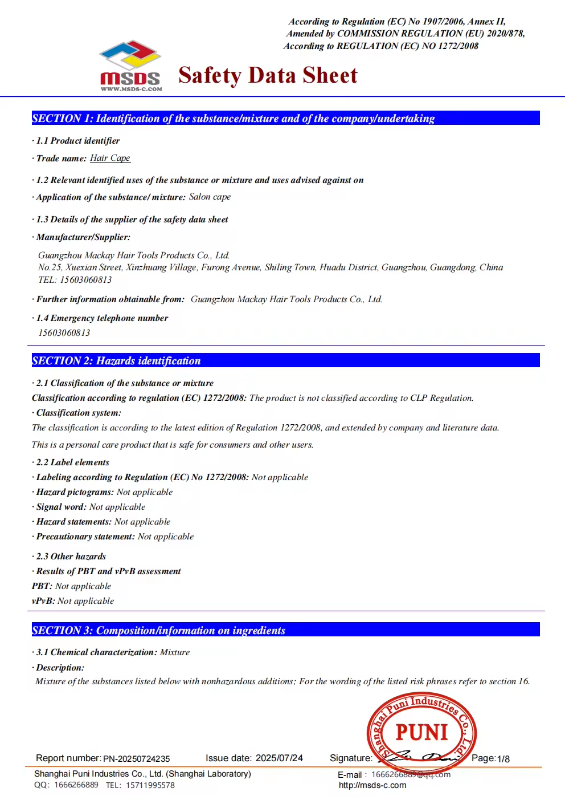
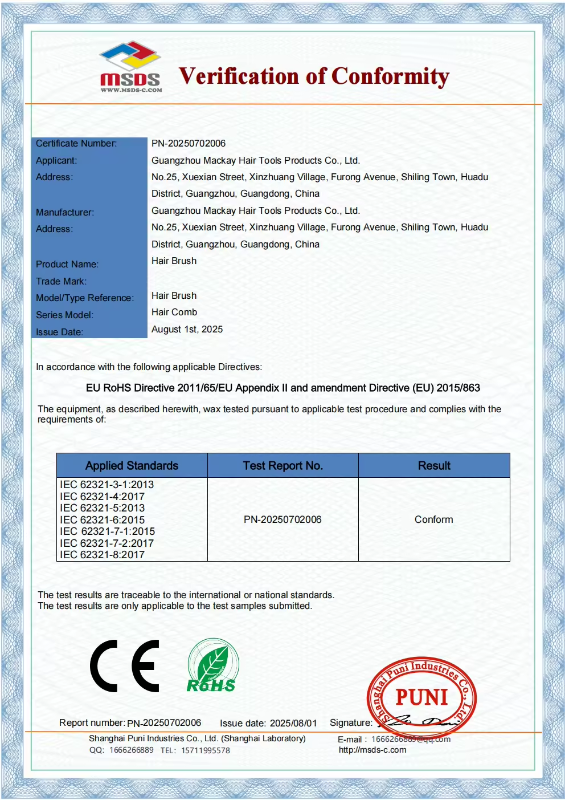
From a procurement standpoint we developed the system around scaling new brands, not just supplying single pairs. We have stock items for orders of one unit, while custom orders start at a minimum order of 50 pieces, providing ample opportunity to test for even large salon groups. We support complete OEM and ODM with options for custom steels, handles, finishing, engraved logo and packaging.
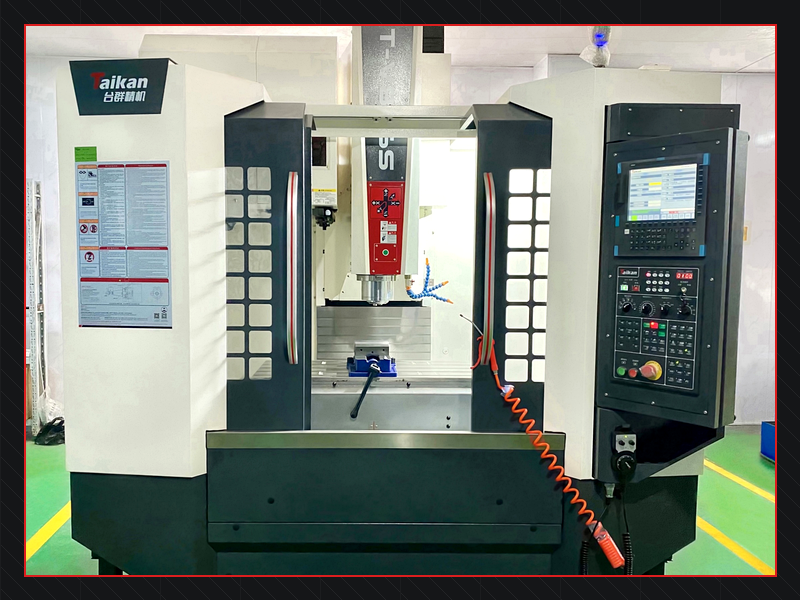
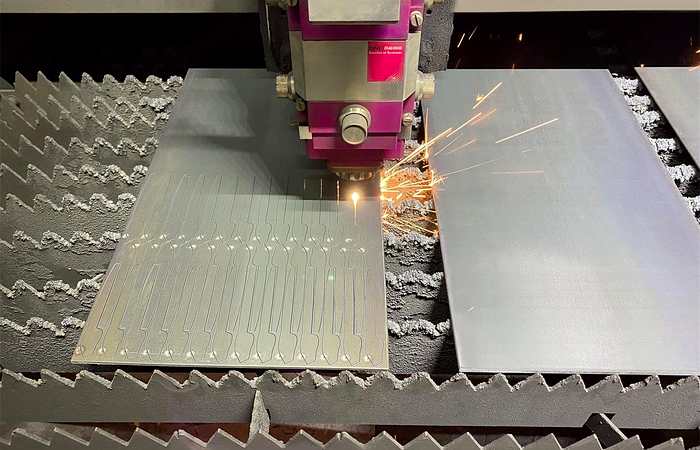
We are unique in the space as we control every element of the production from the CNC forming through our in-house heat treatment and precision grinding under the ISO 9001 system. This provides unmatched control over lead time and quality consistency to ensure reorders always ship as the original. Our pricing originates from the factory floor rather than from a middleman mark-up for trades that value configurability.
We work with our customers to determine: steel type (440C, VG10, Damascus etc.), size and hand, edge and handle style, finish (matte or PVD colour), engraving type and quantity, and overall volume. We then offer a competitive quotation based on these custom configuration points.
Sampling for established models takes roughly 7-15 days; for new designs, the process move from concept through CAD and then on to a prototype. Shipping is offered via EXW, FOB, CIF, and DDP with available barcode and Amazon FBA labeling and a personal account manager to guide the order from quotation to delivery. Following the sale, each tool is protected by a manufacturing-defect warranty and includes spare parts (screws, tension adjusters, finger rings, silencers), with professional sharpening services available to maintain optimal performance.
System utilities designed for specification selection, ROI cost estimation, and complete order configuration.
The bulk of the price disparity between $200 clippers and a $2000 shear comes down to branding and distribution channels, not steel quality. Key factors in a hair shear’s price are the steel grade (VG10, ATS-314), the heat-treatment hardness (typically HRC 60-62), and a finely hand-honed convex edge. By eliminating the intermediary markup and selling directly, we offer these fundamental qualities at a more competitive price.
No, and we would not claim otherwise. We fabricate from genuine Japanese steel (VG10 and ATS-314 supplied by Hitachi Group in Japan) and meticulously hand-finish each blade within our own factory in China. While the steel formulation is Japanese, the manufacturing process is conducted by us, documented thoroughly, and verified by independent hardness tests.
No. Exceeding a certain hardness level results in brittleness, and a properly heat-treated 440C can be more durable than a poorly heat-treated VG10. Edge retention in practical use is determined by heat-treatment and edge finishing; hence, we focus on our manufacturing process rather than the label on the steel as the true product.
For standard salon hair cutting, an offset shear size of 5.5 to 6.0 inches is generally suitable for most hand sizes; barbers performing fades and scissor-over-comb techniques often prefer 6.5 to 7.0 inches. To equip a full-service station, pair a 30-40 tooth thinning or blending scissor with the cutting shear.
Yes, we produce true left-handed shears featuring a mirrored blade ride and screw mechanism, not simply a flipped handle. It is essential to confirm this with any supplier, as a “lefty” with a flipped handle will actually cut against the thumb.
Minimum order quantities for custom-designed models are 50 units, while existing in-stock styles can be ordered as low as a single unit. Full OEM/ODM services are available, including custom steel grades, handle designs, finishes, laser engraving, and packaging – please contact us with your specific requirements and order volume for a personalized quote.