Get in Touch with Mackayhairscissors Company
We use submitted details to respond to your quote request. Read our Privacy Policy.

Barber shears and scissors from MATSUOPRO – professional hair shears in four certified steel grades, VG10, ATS314, 440C stainless steel, and multi-layer Damascus – are hand-honed to a Japanese convex cutting edge through 80+ production steps, with a documented HRC range you can check, not a “premium quality” sticker.
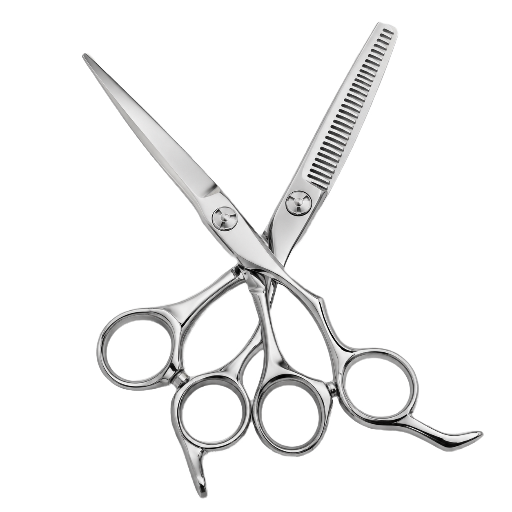
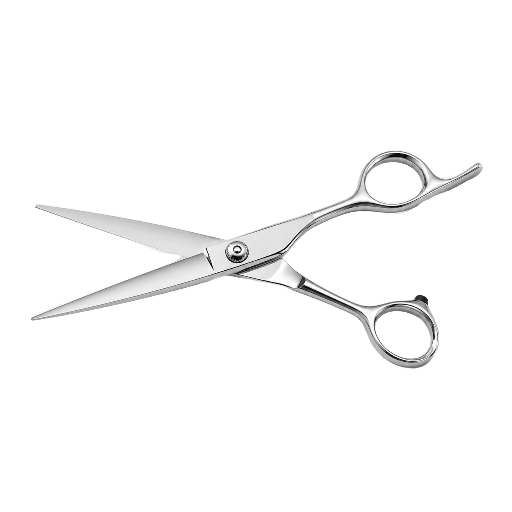
Most buying mistakes in this category do not begin with steel or price, but with the wrong name on the RFQ, and that isn’t cheap once a distributor is 50 pieces into a private-label run. A buyer asks for “hair scissors” when their barbershop customers need a 6.5″–7.5″ blade built for scissor-over-comb, or a private-label brand orders a thinning shear expecting the fine convex edge of a straight cutting shear – the wrong category, not just the wrong grade – and a mismatch that appears in return requests, not in the sample review. Hair-cutting shears, as Wikipedia’s technical entry on the category defines them, are scissors purpose-built for cutting hair – a broad umbrella that barber shears, salon shears, and thinning shears all fall under, differentiated by blade length, edge geometry, and tooth count rather than by a separate legal category. Barber shears vs scissors comes up constantly as a search question in trade forums for exactly this reason.
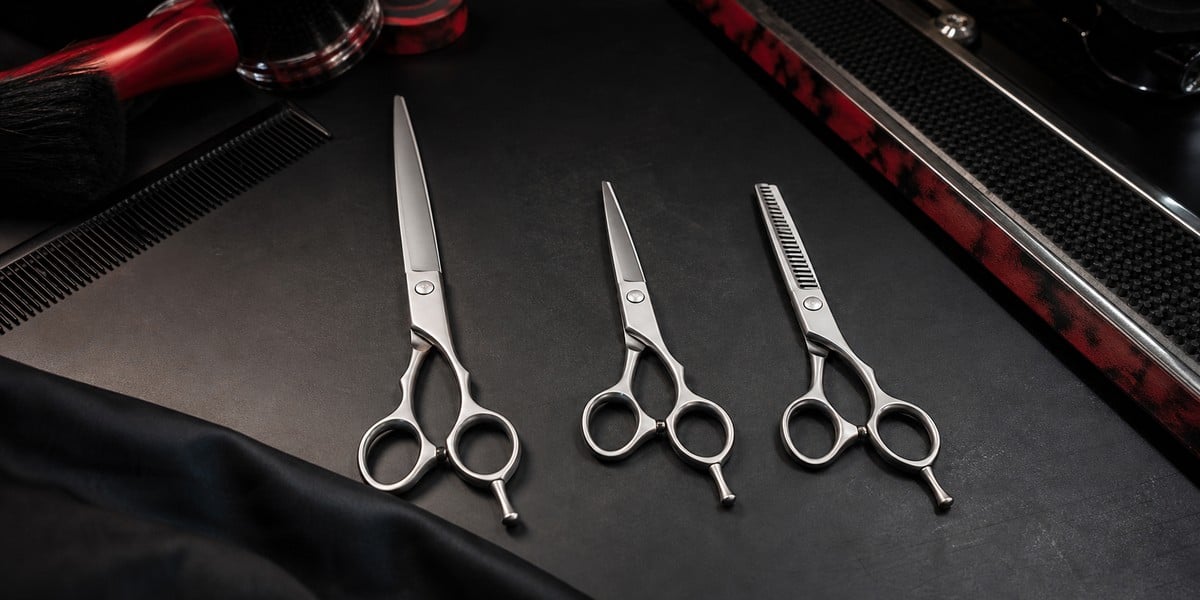
That distinction has a structural reason, not an accidental one: retail listings commonly use “barber scissors,” “hair shears,” and “salon shears” as synonyms because that’s how consumers search, even though the three are different production specs on MATSUOPRO’s own factory floor. Practical dividing lines are specific enough to be specified against in an OEM order. Barber shears run 6.5″–8.5″ for scissor-over-comb and fade work on an ergonomic offset handle, hardened to 56-63 HRC depending on grade; general hair-cutting shears – also searched as hair salon shears – range from 5.5″–7.0″ for all-purpose salon cutting; texturizing and thinning shears used across general barbering have an additional toothed second blade (16-40 teeth in MATSUOPRO’s own line) for bulk removal rather than a clean cut.
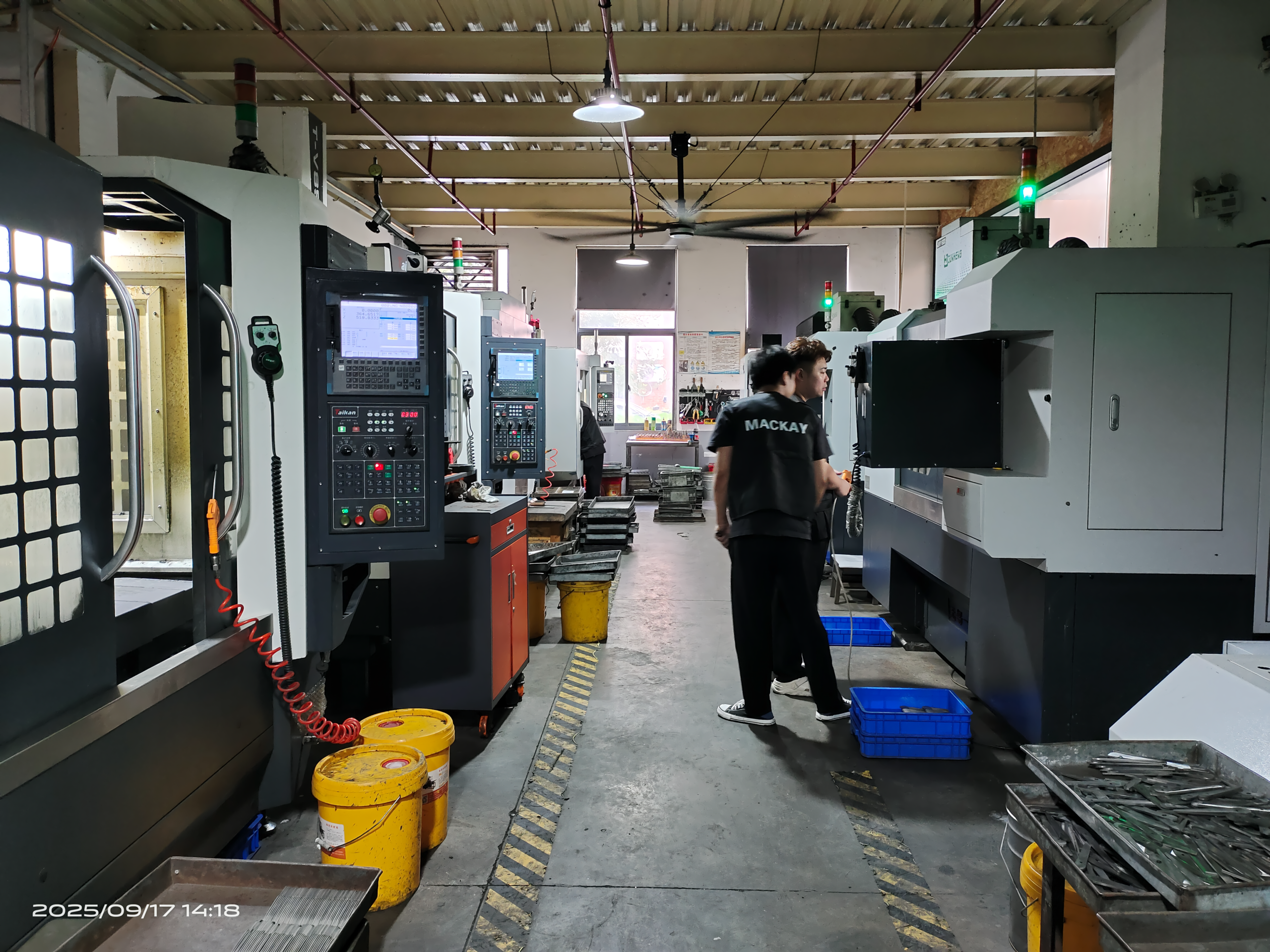
One all-too-frequent source of confusion the trade itself points out – and that many resellers intentionally get wrong: “Japanese steel” on a spec sheet refers to the alloy source, not the country of forge and hand-honing. This is not always made clear by suppliers, which is exactly the trap that first-time OEM buyers fall into when a listing relies on “Japanese steel” as a shortcut to quality instead of providing a verifiable steel producer and HRC range. MATSUOPRO addresses this by always listing both – steel producer and certified HRC range – on every SKU shipped to distributors in over 40 countries under our ISO-audited production system, because a buyer who cannot verify the steel source cannot verify the product they are actually reselling.
| Category | Typical Length | Edge Type | Primary Use | MATSUOPRO Line |
|---|---|---|---|---|
| Barber Shears | 6.5″–8.5″ | Convex (single blade) | Scissor-over-comb, fades, tapers | Japanese Steel + 7-Inch Series |
| General Hair-Cutting Shears | 5.5″–7.0″ | Convex (single blade) | All-purpose salon cutting | Master Hair-Salon Series |
| Thinning Shears | 5.5″–6.5″ | Convex + toothed blade | Bulk removal, blending | 16–40 tooth (sister line) |
| Pet-Grooming Shears | 7.0″–8.5″ | Curved / convex | Animal coat shaping | Curved series (sister line) |
Our barber SKU lines (Master, Japanese Steel, and 7-Inch) span a hardness range of 56-63 HRC depending on grade. Not a marketing range; same certified specs published for our steel specific lines cross-referenced here in one table, instead of across three separate spec sheets.
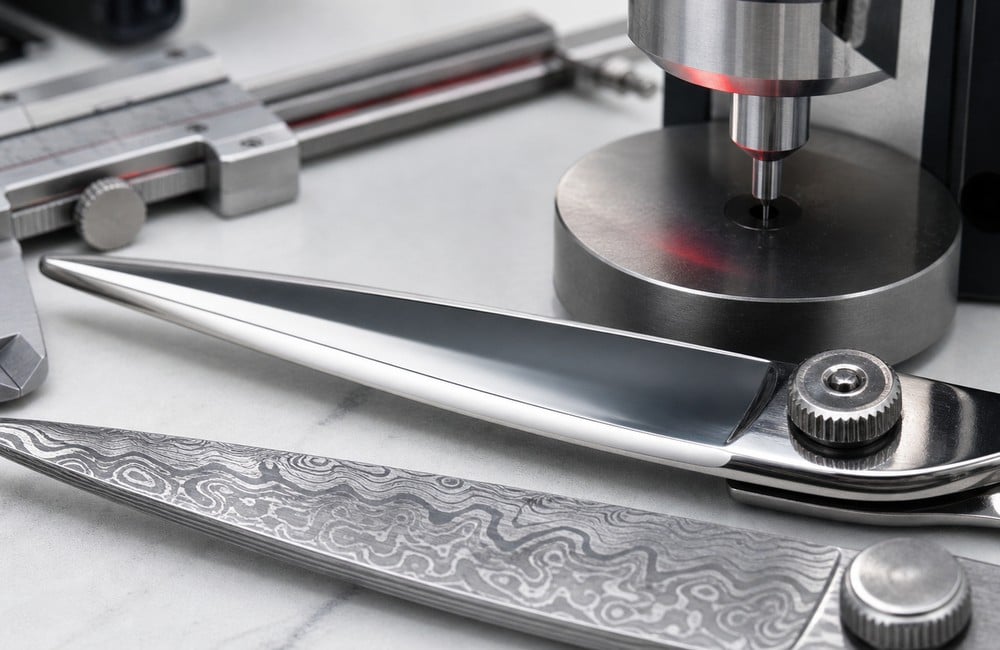
| Steel Grade | MATSUOPRO Certified HRC | Independent Reference HRC | Best Fit |
|---|---|---|---|
| 440C Stainless | 56–59 | 58–59 (third-party) | Entry/value tier, training kits |
| ATS314 (Hitachi-sourced) | 58–60 | ~59–61 (third-party, older Yasaka-grade reference) | Mid-tier branded programs |
| VG10 Premium | 60–62 | 59–61 (third-party) | Core professional/barber line |
| Multi-Layer Damascus | 61–63 | — | Flagship signature SKU |
Range is cross-checked against an independent third-party steel-hardness comparison, which frames 58-60 RC as the threshold for “high-quality” shear steel – every one of our barber grades clears that threshold at minimum. See also the ISO 9001:2015 standard governing our production consistency. For the metallurgy behind these grades, read our full 440C vs VG10 steel comparison and HRC hardness scale explained.
“We don’t target a headline HRC number; instead, we vacuum harden and cryo-treat each grade to a predictable hardness range and re-test. The batch-to-batch inconsistency of one grade is a bigger issue for our clients than a grade that’s one point below a competitor’s published marketing figure.”
Hardness is really just cost to the buyer. An independent 5-year tracking study across 40 actual working stylists concluded that the entry-level (440C-class) shears needed sharpening every 3-4 months, the mid-tier (VG10/cobalt-class) shears needed sharpening every 5-8 months, and the premium-tier (Damascus-class) shears needed sharpening every 9-14 months-at $20-50 per sharpening. Factor in the cost over 5 years of routine daily use and the gap closes much tighter than many consumers assume: entry-level was around $715-825 purchase plus sharpening cost, mid-level around $790-860, and premium around $1,175-1,260. So, while a shear on the purchase order might have the lowest price tag, it isn’t always the cheapest over 5 years of use-exactly why MATSUOPRO publishes guaranteed HRC per grade, rather than try to steer every shopper towards the absolute bottom price point.
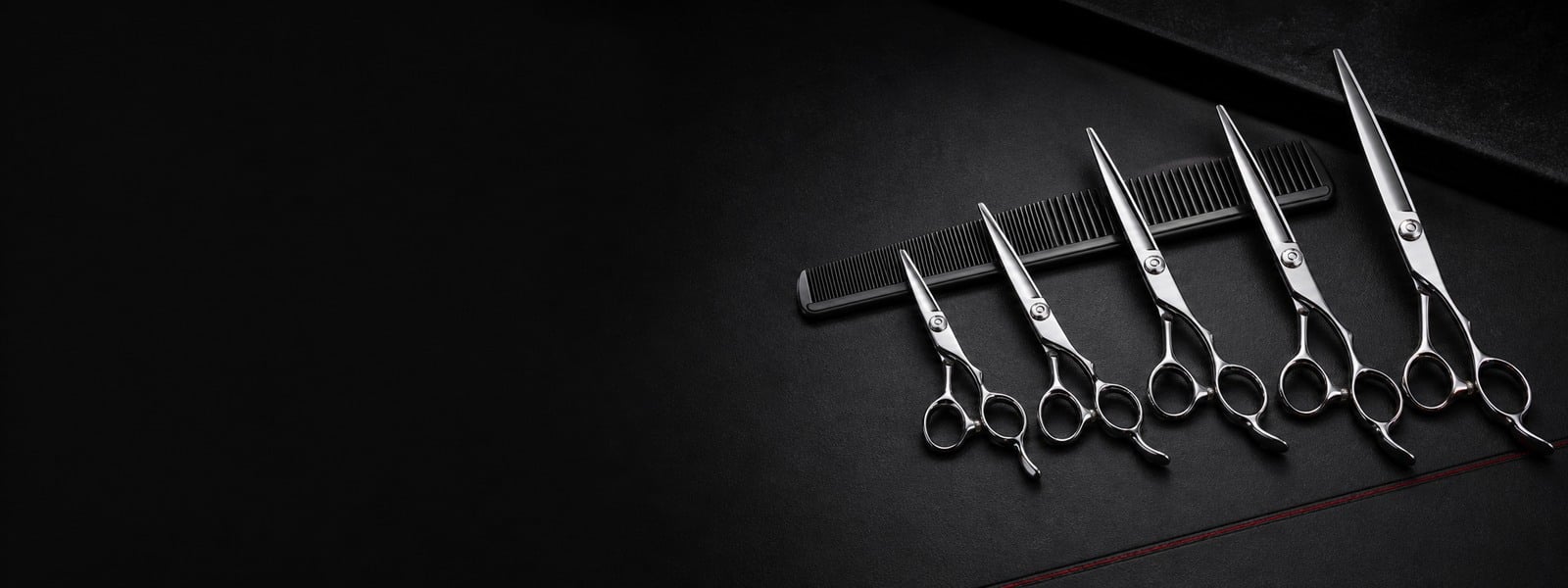
Blade length isn’t some aesthetic specification; it’s a mechanical limitation, and miscalculating it is the one risk that almost all new private-label buyers will under-appreciate, since the wrong length will manifest as hand fatigue and inconsistency (particularly during fades) at the end of a day’s work rather than as a defect noticeable on an inspection sample. Across MATSUOPRO’s three lines of barber SKUs, which are all precisely hardened and sharpened in-house on the same production floor, blade length ranges from 5.5-inches for detailing, to 8.5-inches for bulk removal, with most U.S. professional demand falling in the 6.0+ range for what Wikipedia’s shear-anatomy overview and our own factory floor both treat as the standard length driver: blade geometry, not brand.
| Length | Best-Fit Technique | Typical Pairing |
|---|---|---|
| 5.5″–6.0″ | Detail work, point cutting, tight sections near hairline/ears | Master Hair-Salon Series |
| 6.5″–7.0″ | Scissor-over-comb, standard fade/taper blending | Japanese Steel Series / 7-Inch Series |
| 7.0″–7.5″ | Extended-reach blending for thick or high-volume clientele | 7-Inch Series |
| 8.0″–8.5″ | Bulk reduction before detail work, larger hands | Pet-Grooming/bulk sister line |
If you try to use the 5.5″ salon shear for fading, you’ll encounter the same problem again and again: insufficient blade length. Your comb has reached full depth on your first pass over the section, but your shorter blade has already run out of cutting length mid-stroke, forcing you to compensate with more passes and additional wrist and arm motion-exactly the same physical stress pattern that creates wrist strain throughout the workday. This isn’t a technical challenge; it’s a mechanical one: it is blade length, not the skill of the barber, which determines how much hair can be removed per stroke. That’s the compromise the single-SKU distributor has to accept for the entire range, which is the exact opposite approach to our multi-SKU barber lines-especially why we’ve developed our 7-Inch Series as an entirely separate product family.
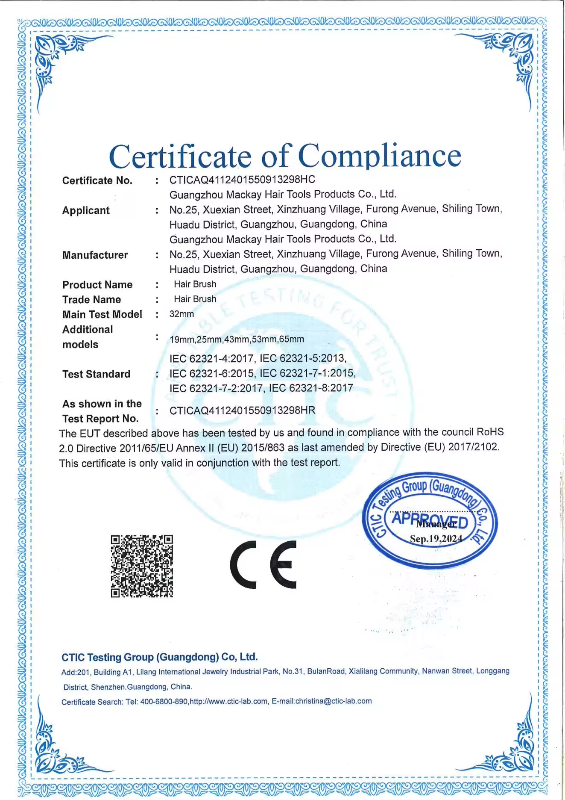
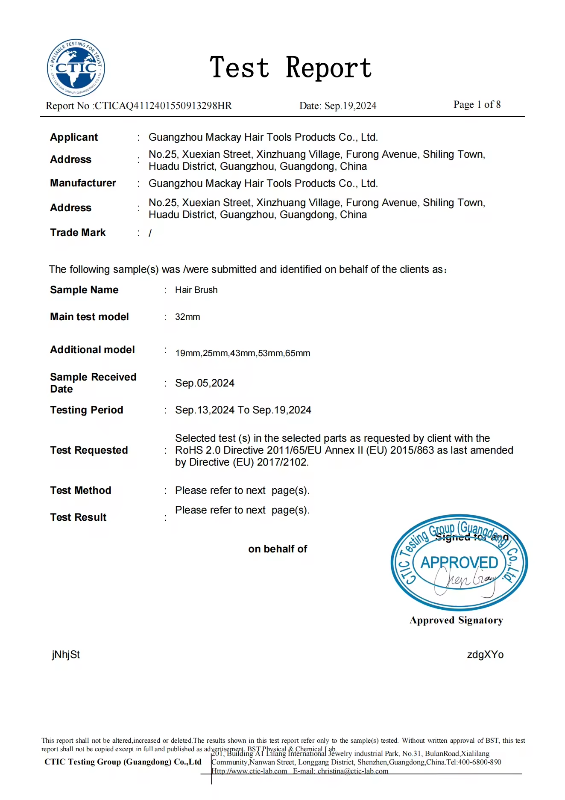
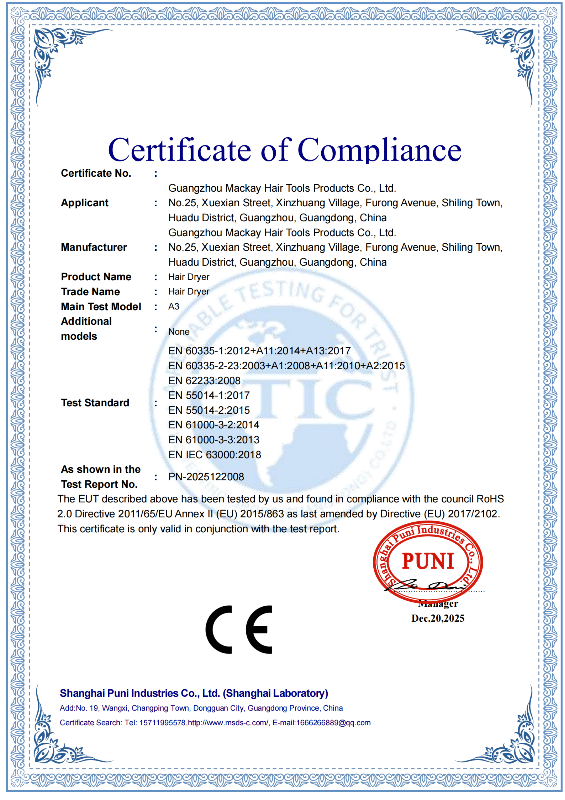
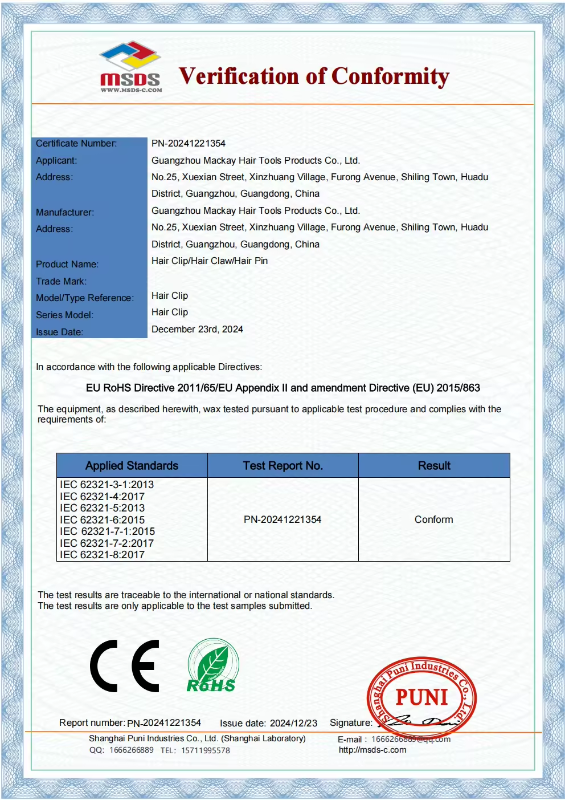
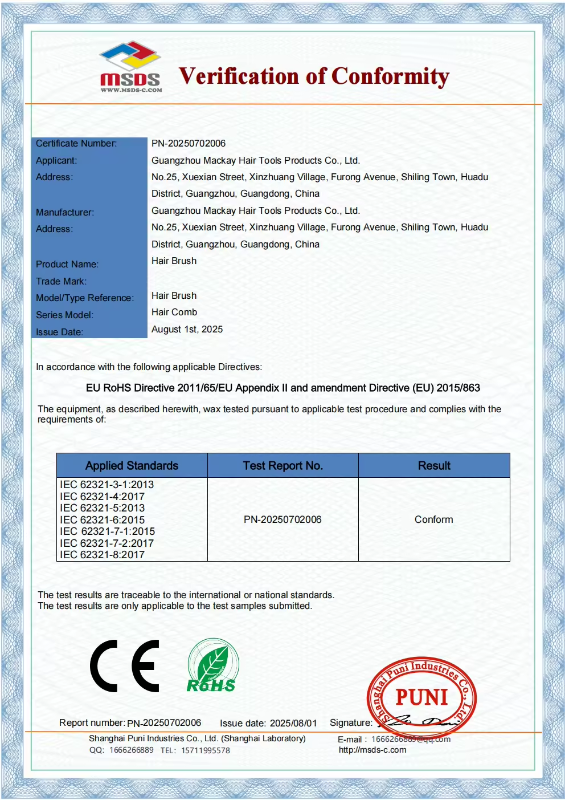
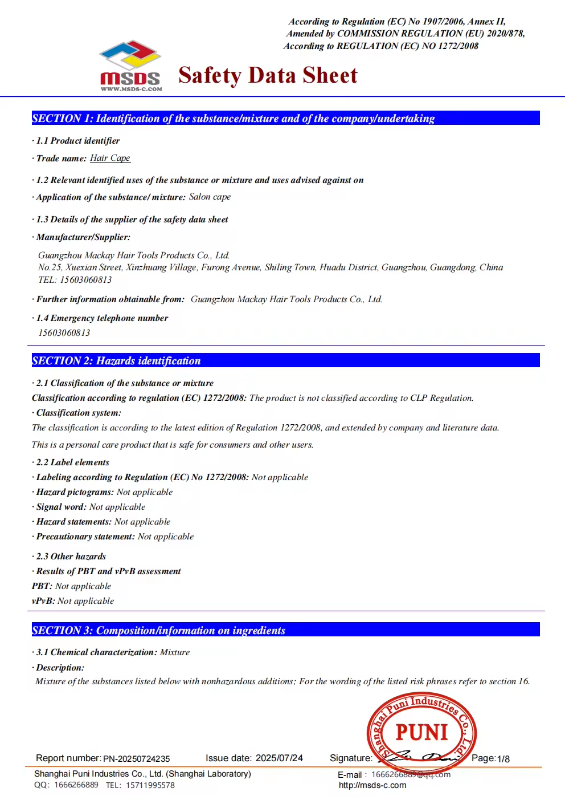
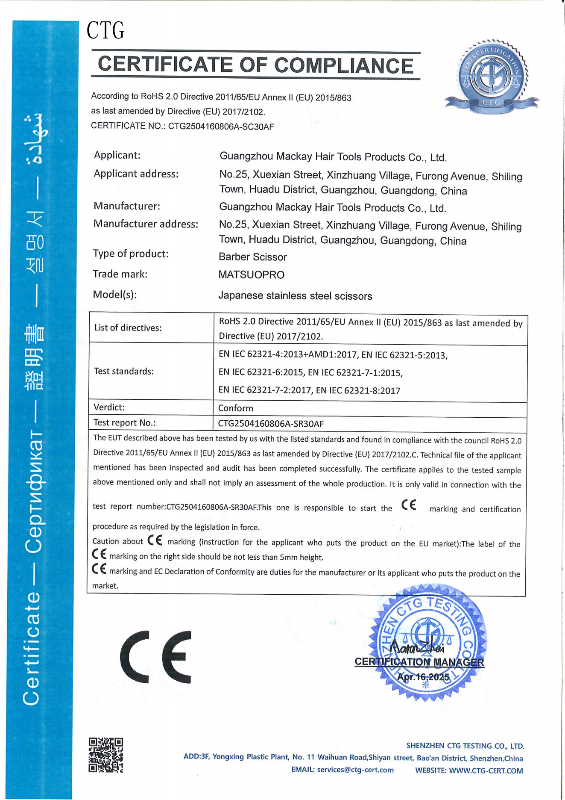
Among international buyers sourced for the first time from China, one question comes up more than any other, and the stakes in not asking it are considerable: Is it possible to independently verify a manufacturer’s hardness and material claims? Buyers who fail to ask this critical question are the ones who realize after a container of knives has been shipped that they received faulty merchandise. Ours are verified; we guarantee each grade for the simple reason that a claim that cannot be checked is not a specification, it is a potential liability for the buyer who attempts to sell them. All of our production runs comply with the internationally-recognized ISO 9001:2015 quality management standard (developed by the International Organization for Standardization to ensure higher manufacturing performance and consistency), as well as BSCI social-compliance and SGS third-party inspections.
Those three badges tell three distinct stories and a factory that can tell you how they differ is giving you much more information than a factory that simply lists certifications. Rather than a vendor who views certifications as a box to check for marketing purposes, MATSUOPRO relates each certification back to a point of control: ISO 9001 monitors how reliably a batch-1 specification is duplicated by batch-1,000 - the repeatability layer which we revisit on an annual basis. The BSCI badge certifies labour practices and social compliance, but not product quality, which a buyer new to the market often misunderstands thinking that one badge covers all. SGS independently validates hardness and material content, supplementing our internal QC procedures and a partnership with a national quality-testing institution for those who want a fourth tier of verification before making a large purchase.
All custom SKUs in this category are sold under the same terms and conditions, irrespective of which of our four steel grades or four blade lengths a buyer selects: a minimum order quantity of 50 pieces, 3-day lead time on samples, and 60 days to completion from confirmed order.
Ready to spec your first private-label run?
Send Your Custom Order Details →The honest trade-off most new private-label brands expect is a low MOQ paired with slower service - our logic runs the opposite way. Instead of pushing brands into making a 500-piece commitment before they have even validated which steel grade performs best in their market (a costly mistake born from a high initial MOQ), our low MOQ structure ensures a brand is never left holding excess inventory for the wrong product. A brand that decides to sample 2 or 3 different steel grades does not significantly add to the timeline, because each grade follows the same 3-day process and no items leave our production line to a second factory for additional finishing such as heat-treating — the same low-MOQ sourcing pattern independent OEM guides recommend new brands look for.
There are three critical questions that will instantly differentiate a legitimate barber-shear manufacturer from a third-party reseller when placing a first order with them: exactly which steel plant the steel originates from (not simply "premium Japanese steel"), if their hardness testing is conducted on individual units or by batch, and if the sample production time includes any engraving, or just standard blade length finishing. If a supplier can not clearly articulate these points, take heed - an honest response about steel source identifies the actual steel-producing facility, not merely the country of origin.
Three questions, no email required. Answer honestly about your buyers, not your ideal catalog.
Pick the cutting technique your customer relies on most — this points to the right MATSUOPRO category, not just a length range.
Based on an independent 5-year, 40-stylist tracking study — not a MATSUOPRO-specific projection. Enter your unit count to see per-tier totals.
The questions below will guide a buyer (either distributor or private label) through the key considerations when inquiring about barber shears - covering such queries as "why are barber shears so expensive at the premium end" and "Which MATSUOPRO series should I sample first?"
There is some confusion over what differentiates barber shears from regular hair scissors; we can help clear that up. Barber shears come in 6.5″–8.5″ with a single convex edge which is optimized for scissor-over-comb style of hair cutting and blending; standard haircutting shears run between 5.5″–7.0″ and have more versatility for general salon use. Both are referred to as hair-cutting shears, but the differences lie in the length and the cutting edge; a distinction not recognized by some in the trade.
If you need to carry multiple price points under one catalog, begin with the Japanese steel Series (four grades). If your buyers are primarily barbershop-driven, where length and reach is the ultimate selling point, begin with the 7-Inch Series. Instead of committing to one product line, many of our distributors opt to carry a single SKU from each category.
No. It refers to the origin of the steel alloy plate, not the location of the forging, grinding and hand-honing of the shear. This fact is widely discussed among industry professionals simply because it is the most frequently misrepresented labeling in the industry — what's important is whether your supplier provides verifiable hardness data and identifies the source of steel.
Custom SKUs are made to order with a MOQ of 50 pieces per item. In-stock items are available as single pieces. Turnaround on custom samples is three business days; a standard production order takes approximately 60 days from confirmed order placement.
Common feedback from our most seasoned barber workers is that they get approximately one year of reliable cutting on a standard-entry level shear before the economics of replacement exceed those of continued sharpening. A custom-designed, hand-honed, convex edge on any of our sharp barber scissors-maintained with regular sharpening-is intended to last well beyond the typical cut-year and remain in the cutting-rotation for seasons to come (refer to the steel-grade chart above for hardness/service-life ratios).
Yes. Our complete OEM/ODM program includes laser logo etching, choice of custom handle finishing, selecting a specific steel grade for each SKU, and custom branding for all packaging - all subject to the minimum order quantity of 50 items and three-day custom sampling schedule.
Yes. We have SGS third-party inspection and a partnership with a national-level tools and hardware quality inspection center validating the materials and processes for every grade. Hardness and material certification documents are provided upon request and not merely listed as a part of marketing materials.
Primarily raw material and labor. A search for "barber shears japanese steel" reveals a price range from just under $100 up to over $1,000 as steel-grade, hours of hand-honing time, and manufacturer’s markup vary widely. Both our entry-level 440C series and our premium Damascus flagship undergo the identical, more-than-80 step manufacturing process, however, cobalt-grade steel and folded Damascus construction carry a higher per-kilogram cost and require a more extensive hand-finishing process than our standard 440C steel.